
44550 Village Ct Ste 102, Palm Desert, CA 92260

Is Sedation Dentistry Safe for Children?
Imagine this: your child needs dental work, but the mere mention of the dentist sends them running for the hills (or under the bed). Does this scenario sound familiar? Many children experience dental anxiety, and for some, it can be a significant barrier to receiving proper oral care.
Fortunately, sedation dentistry offers a potential solution. But with any medical procedure, especially for our little ones, safety is paramount. So, the question lingers: is sedation dentistry safe for children?
This blog dives deep into the world of sedation dentistry for children, exploring its effectiveness, safety protocols, and different types of sedation used. By the end, you’ll be equipped with the knowledge to make an informed decision about your child’s dental care.
Why Consider Sedation Dentistry for Children?
According to the American Academy of Child and Adolescent Psychiatry (AACAP), nearly one in eight children between the ages of 2 and 17 years old experiences anxiety disorders. Dental anxiety is a common subset of this, with studies suggesting that upwards of 10% of children experience it.
Sedation dentistry can be a game-changer for these children. It allows them to undergo necessary dental procedures in a relaxed and comfortable state, reducing fear and ensuring a positive dental experience. This is crucial for establishing good oral hygiene habits that last a lifetime.
Types of Sedation Dentistry for Children
There’s a spectrum of sedation options available, each tailored to the specific needs of your child and the complexity of the procedure. Here’s a breakdown of the most common types:
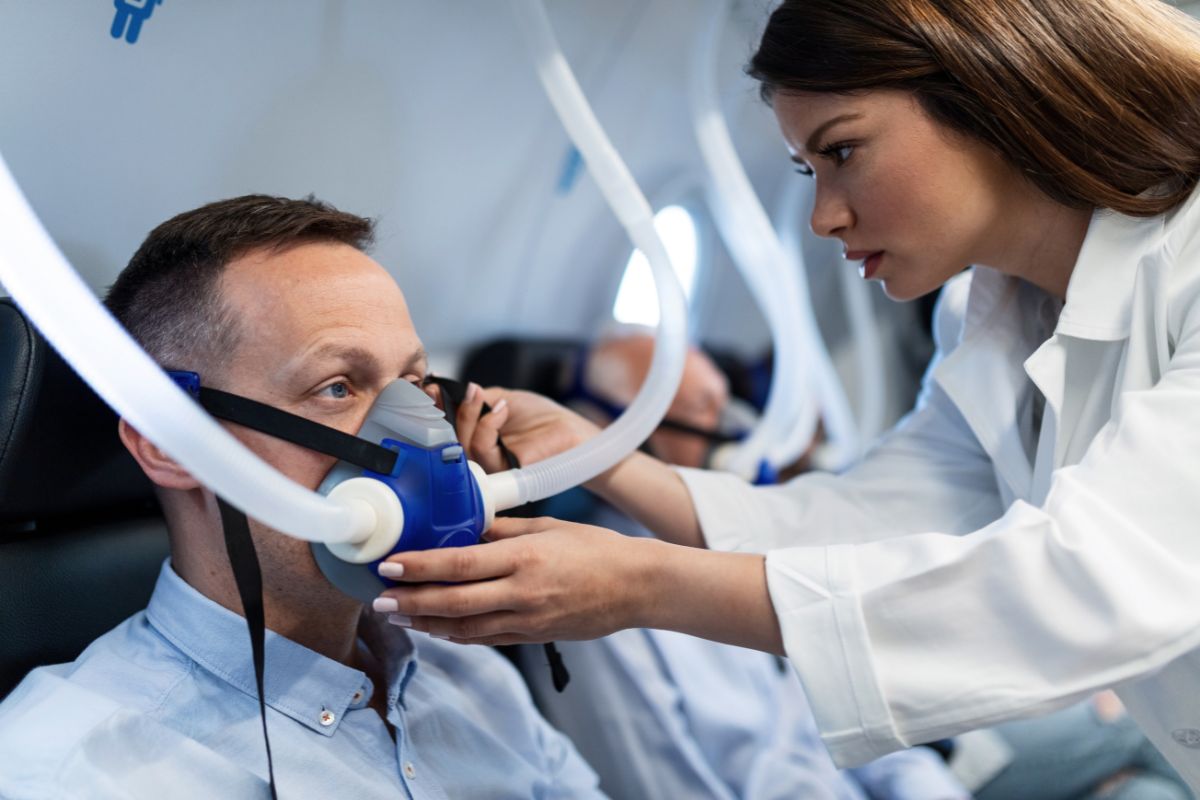
- Nitrous Oxide (Laughing Gas): This mild sedative is inhaled through a mask and induces a feeling of relaxation and lightheadedness. Children often describe feeling giggly, hence the nickname “laughing gas.” Nitrous oxide wears off quickly after the mask is removed, allowing your child to recover rapidly.
- Oral Sedation: This involves administering a medication, often in syrup form, about an hour before the procedure. The medication can induce drowsiness and reduce anxiety.
- Intravenous (IV) Sedation: This method involves delivering medication through an IV line. It provides a deeper level of sedation, often rendering the child almost asleep but still responsive to commands.
- General Anesthesia: This is the deepest form of sedation, putting your child completely unconscious throughout the procedure. General anesthesia is typically reserved for complex procedures or when other forms of sedation are not effective.
It’s important to note that a qualified pediatric dentist will assess your child’s individual situation and recommend the most appropriate type of sedation.
Safety First: Monitoring and Qualifications
Sedation dentistry is a safe and effective practice when administered by a qualified professional. Pediatric dentists who offer sedation dentistry undergo rigorous training in monitoring vital signs, managing potential complications, and ensuring patient safety throughout the procedure.
Here are some key safety protocols followed during sedation dentistry:
- Pre-operative assessment: A thorough evaluation of your child’s medical history and current medications is crucial to identify any potential risks associated with sedation.
- Monitoring: During the procedure, vital signs such as heart rate, oxygen levels, and blood pressure are continuously monitored.
- Recovery: After the procedure, your child will be monitored in a comfortable recovery area until they are fully awake and alert before being discharged.
Statistics speak volumes about the safety of sedation dentistry in children. A study published in the Journal of the American Dental Association (JADA) found that the incidence of serious complications associated with sedation dentistry in pediatric patients is extremely low, at around 0.00014%.
Peace of Mind for Parents and Children
Sedation dentistry can be a valuable tool in ensuring your child receives the dental care they need without fear or anxiety. By understanding the types of sedation available, the safety protocols in place, and the benefits it offers, you can make an informed decision alongside your qualified sedation dentist in Palm Desert. Remember, a stress-free dental experience can pave the way for a lifetime of good oral health for your child.
When considering sedation dentistry, discuss any concerns you may have with your child’s dentist. They can address your specific questions and guide you through the process, ensuring a smooth and positive experience for both you and your child.