
44550 Village Ct Ste 102, Palm Desert, CA 92260

How A Periodontist Can Help Reverse Early Gum Disease
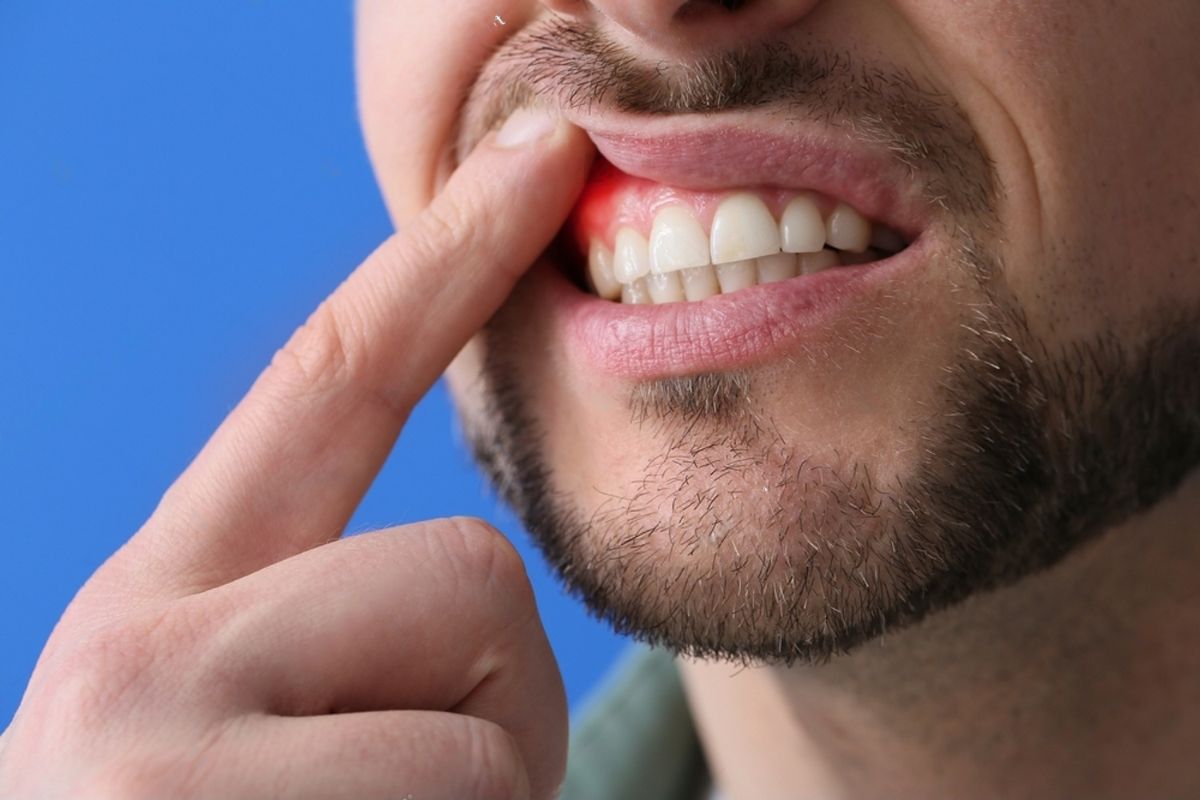
So, you’ve noticed a bit of redness or swelling around your gums. Maybe your breath isn’t as fresh as it used to be, and flossing has become a bit of a bloodbath. Don’t panic! You might be experiencing the early stages of gum disease, also known as gingivitis.
The good news is that early gum disease is often reversible with the right care. And that’s where a periodontist comes in.
What is Gum Disease?
Gum disease is a bacterial infection that affects the tissues that support your teeth. It starts with plaque, a sticky film of bacteria that constantly forms on your teeth. If not removed through regular brushing and flossing, plaque hardens into tartar, which irritates the gums. This irritation can lead to:
- Gingivitis: The earliest stage of gum disease, characterized by red, swollen, and bleeding gums.
- Periodontitis: A more serious stage where the infection spreads below the gum line, destroying the bone that supports your teeth.
The Importance of Early Detection
According to the Centers for Disease Control and Prevention (CDC), nearly half of adults in the United States aged 30 and older have some form of periodontal disease. Left untreated, gum disease can lead to tooth loss, bad breath, and even increase your risk of serious health problems like heart disease, stroke, and diabetes.
How a Periodontist Can Help
A periodontist is a dentist who specializes in the prevention, diagnosis, and treatment of gum disease. Here’s how they can help reverse early gum disease:
- Professional Cleaning: A periodontist in Palm Desert can perform a deep cleaning procedure called scaling and root planing. This involves removing plaque and tartar from above and below the gum line, as well as smoothing the tooth’s root surface to prevent bacteria from reattaching.
- Medications: In some cases, a periodontist may prescribe antibiotics to help control the bacterial infection. These can be taken orally or applied directly to the affected area.
- Lifestyle Changes: Your periodontist will also advise you on proper oral hygiene practices, such as brushing twice a day, flossing daily, and using an antibacterial mouthwash. They may also recommend quitting smoking, as smoking significantly increases the risk of gum disease.
Reversing Gum Disease: A Team Effort
While a periodontist can provide the necessary professional treatment, reversing gum disease also requires your active participation. By following your periodontist’s recommendations and maintaining a good oral hygiene routine, you can significantly improve your chances of a full recovery.
Don’t Wait!
If you’re experiencing any symptoms of gum disease, don’t hesitate to schedule an appointment with a periodontist. Early detection and treatment can make a big difference in preventing further damage and restoring your oral health.
FAQs
1. Can early gum disease really be reversed?
Yes, early gum disease—also known as gingivitis—can often be reversed with professional dental care and improved oral hygiene. A periodontist can remove plaque and tartar buildup and guide patients on proper brushing and flossing habits.
2. What treatments does a periodontist use for early gum disease?
A periodontist may recommend professional deep cleaning, such as scaling and root planing, along with improved home care and regular dental visits to help restore gum health.
3. What are the early signs of gum disease?
Common signs of early gum disease include red or swollen gums, bleeding while brushing or flossing, persistent bad breath, and gum tenderness. Early treatment can prevent the condition from progressing.
4. When should I see a periodontist for gum disease?
You should see a periodontist if you notice bleeding gums, gum inflammation, or persistent bad breath. Early evaluation can help stop gum disease before it becomes more severe.
5. How can I prevent early gum disease from coming back?
Maintaining good oral hygiene, brushing twice a day, flossing daily, eating a balanced diet, and visiting your dentist regularly can help prevent gum disease from returning.