
44550 Village Ct Ste 102, Palm Desert, CA 92260

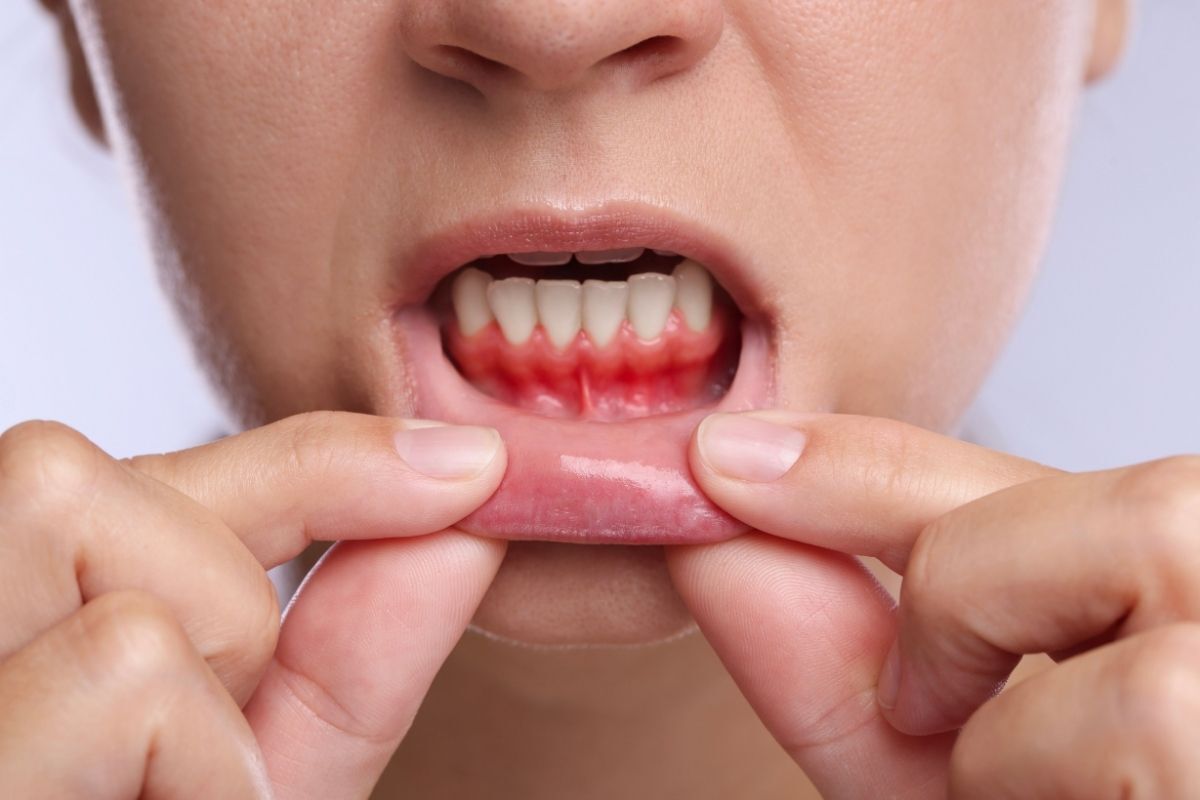
Gum Disease Treatment for Sensitive Gums: What Patients Should Know
Sensitive gums can make everyday habits like brushing, flossing, or enjoying a cold drink feel uncomfortable. If your gums bleed easily, feel tender, or seem irritated, it may be tempting to brush more gently and hope the problem goes away.
But persistent gum sensitivity deserves attention. It can be a sign that your gums are inflamed or that gum disease is progressing beneath the surface. The good news is that with the right professional care, irritated gums can often be managed before the condition becomes more serious.
Why Are Your Gums So Sensitive?
Gum sensitivity can happen for several reasons. Brushing too aggressively, using a hard-bristled toothbrush, plaque buildup, hormonal changes, or certain oral health conditions can all contribute to discomfort.
For some patients, however, sensitivity is connected to gum disease. Bacteria can collect along and beneath the gumline, triggering inflammation. As the condition progresses, the gums may become swollen, tender, or more likely to bleed during brushing and flossing.
If your gums have remained sensitive despite improving your daily oral hygiene, it is worth having them evaluated by a dental professional.
Can Sensitive Gums Be Treated Comfortably?
Yes. Gum disease treatment can be tailored to the condition of your gums and your level of sensitivity. A periodontist first evaluates your gum health to determine how advanced the inflammation or infection may be.
Depending on your needs, care may include professional removal of plaque and tartar, deep cleaning beneath the gumline, personalized home-care guidance, or other periodontal procedures.
The goal is not simply to make your gums feel better temporarily. Effective gum treatment focuses on controlling harmful bacteria, reducing inflammation, protecting the supporting tissues around your teeth, and helping you maintain healthier gums over time.
What Can Patients With Sensitive Gums Expect?
If you are worried that periodontal care will make sensitive gums hurt more, you are not alone. Many patients delay care because they are concerned about discomfort.
Your periodontal team can take your sensitivity into account when planning treatment. Depending on the procedure, local anesthesia or other comfort measures may be available to help make your visit more manageable.
A professional evaluation also gives you a clearer picture of what is happening. Instead of guessing whether sensitivity is caused by aggressive brushing, recession, inflammation, or periodontal disease, you can receive guidance based on your individual oral health.
Why Early Care Matters
Gum problems rarely improve by simply ignoring them. Early inflammation may cause redness, tenderness, or bleeding. Without appropriate care, bacteria can continue affecting the tissues that support your teeth.
You may want to schedule an evaluation if you notice:
- Gums that bleed when brushing or flossing
- Persistent gum tenderness or swelling
- Red or darkened gum tissue
- Persistent bad breath
- Gums pulling away from the teeth
- Teeth that feel loose or different when you bite
- Increased sensitivity around the gumline
These symptoms do not automatically mean you have advanced periodontal disease. However, they are good reasons to have your gums checked.
Daily Habits That Can Help Sensitive Gums
Professional gum disease therapy works best when paired with consistent home care. Small changes to your routine can make a meaningful difference.
Choose a soft-bristled toothbrush. A softer brush can clean effectively without unnecessarily irritating delicate gum tissue.
Use gentle pressure. Scrubbing harder does not mean cleaning better. Use controlled, gentle movements around the gumline.
Keep cleaning between your teeth. Plaque can hide in areas a toothbrush cannot reach. Floss or use an interdental cleaner as recommended by your dental professional.
Pay attention to bleeding. Occasional irritation can happen, but recurring bleeding should not simply be accepted as normal.
Keep periodontal appointments. Professional cleanings and periodontal evaluations can help identify changes before they become more difficult to manage.
Local Care for Patients in the Desert Southwest
Living in the desert can make staying comfortable and hydrated especially important. Hot weather and dry conditions may contribute to dry mouth for some people, particularly when they are not drinking enough water.
Saliva plays an important role in maintaining a healthy oral environment. If your mouth frequently feels dry, mention it during your dental or periodontal appointment. Your provider can help determine whether your symptoms may be contributing to your gum concerns.
For patients throughout the Desert Southwest, maintaining regular dental and periodontal care can also be helpful when busy work schedules, outdoor activities, travel, and seasonal changes make oral health easy to overlook.
When Should You See a Periodontist?
If gum sensitivity is persistent, worsening, or accompanied by bleeding, swelling, recession, or changes around your teeth, consider scheduling a periodontal evaluation.
A periodontist specializes in the prevention, diagnosis, and management of conditions affecting the gums and supporting structures around the teeth. Getting an evaluation does not mean you will automatically need extensive treatment. It simply gives you an opportunity to understand the cause of your symptoms and discuss appropriate options.
Frequently Asked Questions
Can sensitive gums be a sign of gum disease?
Yes. Gum sensitivity can occur alongside inflammation caused by gum disease. However, sensitivity can have other causes as well, so a professional examination is the best way to determine what is happening.
Will periodontal care hurt if my gums are already sensitive?
Your periodontal provider can consider your sensitivity when planning care and may use comfort measures when appropriate. Treatment is personalized according to your oral health needs.
Is bleeding during brushing normal?
Regular gum bleeding is not something you should ignore. It may indicate inflammation or another gum-health concern and should be discussed with a dental professional.
Can gum disease go away on its own?
Gum inflammation may sometimes improve with better oral hygiene, but established periodontal disease generally requires professional evaluation and care. Waiting can allow the condition to progress.
How can I protect sensitive gums after treatment?
Follow your provider’s home-care instructions, brush gently with a soft-bristled toothbrush, clean between your teeth, and maintain recommended periodontal visits.
Take the First Step Toward Healthier Gums
Sensitive gums should not have to become something you simply live with. When tenderness, bleeding, or irritation keeps returning, finding the cause can help you protect your gums and the teeth they support.
At Periodontics of the Desert, the focus is on personalized periodontal care designed around your needs and comfort. If your gums have been bothering you, schedule an appointment and take the first step toward healthier gums with professional care you can feel confident about.