
44550 Village Ct Ste 102, Palm Desert, CA 92260

Gingival Flap Surgery: What Is It and When Do You Need It?
Healthy gums do more than frame your teeth. They protect the roots, support your teeth, and help keep harmful bacteria from reaching deeper tissues. When gum disease progresses beneath the gumline, however, brushing and routine cleanings may no longer be enough to reach the affected areas.
If your gums are swollen, bleeding, pulling away from your teeth, or creating deep pockets around them, your periodontist may recommend a treatment that allows direct access to the infected areas. Understanding what the procedure involves and why it may be recommended can make your treatment decision feel much less overwhelming.
What Is Gingival Flap Surgery?
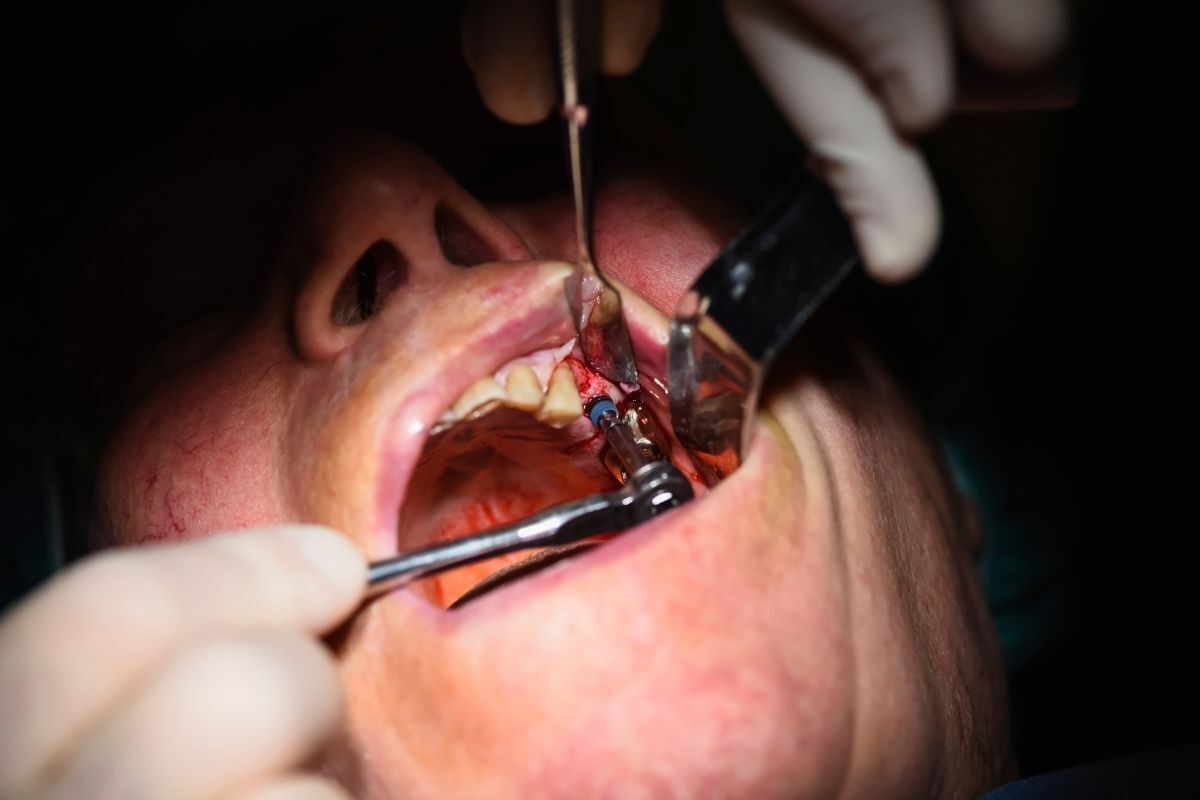
Gingival flap surgery is a periodontal procedure used to treat areas of gum disease that cannot be adequately cleaned with nonsurgical treatment alone. During the procedure, the periodontist gently lifts the gum tissue away from the teeth to access the roots and underlying areas.
This creates better visibility and access for removing plaque, tartar, and bacteria from areas that are difficult to reach. Once the area has been thoroughly cleaned and treated, the gum tissue is repositioned around the teeth to support healing.
The goal is not simply to treat the gums on the surface. It is to address infection and inflammation beneath the gumline while creating healthier conditions for your gums to heal.
When Might You Need This Treatment?
Not everyone with gum disease needs periodontal surgery. In many cases, early gum problems can be managed with professional cleanings, improved home care, and nonsurgical periodontal treatment.
Your periodontist may consider a surgical approach when:
- Deep periodontal pockets remain after nonsurgical treatment
- Infection continues beneath the gumline
- Significant inflammation or tissue damage is present
- Tartar has accumulated in areas that are difficult to access
- Gum disease has affected the tissues supporting your teeth
- Previous periodontal treatment has not provided enough improvement
- You are at risk of continued bone or attachment loss
A thorough periodontal evaluation helps determine whether surgery is appropriate for your particular condition.
How Does the Procedure Work?
Before treatment, your periodontist will examine your gums and evaluate the depth of periodontal pockets and the health of the tissues supporting your teeth. Imaging may also be used when necessary to understand what is happening beneath the gumline.
During treatment, the affected gum tissue is carefully lifted to provide access to the tooth roots and surrounding tissues. The area is cleaned thoroughly, and any damaged or infected tissue may be addressed as part of the treatment plan.
The gum tissue is then placed back into position and secured so it can heal properly.
Your periodontist will explain what to expect before the procedure, including aftercare instructions and any recommendations for keeping the treated area clean during healing.
Is Gum Flap Surgery the Same as Gingival Grafting?
Not exactly. These procedures can both involve gum tissue, but they serve different purposes.
Gum flap surgery is generally performed to access and treat areas affected by periodontal disease. Gingival grafting, on the other hand, is commonly used to add or restore gum tissue in areas where recession has exposed more of the tooth root.
Your treatment depends on what is happening with your gums. Some patients may need one procedure, while others may benefit from a combination of periodontal treatments.
What Can Recovery Look Like?
Your periodontist will provide personalized instructions based on the extent of treatment. Mild tenderness, swelling, or sensitivity can occur during the healing period.
You may be advised to:
- Follow your recommended oral hygiene routine carefully
- Avoid disturbing the treated gum tissue
- Choose softer foods while the area heals
- Take medications exactly as directed
- Avoid smoking or tobacco products during healing
- Keep scheduled follow-up visits
- Contact your periodontal office if you notice unusual symptoms
Healing is an important part of periodontal treatment. Following your care instructions can help protect the treated area and support a better outcome.
Why Local Periodontal Care Matters in the Coachella Valley
For people living in Palm Desert and nearby communities such as Palm Springs, La Quinta, Indian Wells, Indio, Cathedral City, and Thousand Palms, convenient access to specialized periodontal care can make it easier to address gum problems before they become more complicated.
The desert environment can also make staying hydrated an everyday priority. Dry mouth can contribute to oral discomfort and may make maintaining good oral hygiene more challenging. Regular dental and periodontal care remains important, especially if you already have signs of gum disease.
Periodontics of the Desert provides periodontal and dental implant care from its Palm Desert office and serves patients throughout the surrounding Coachella Valley communities.
Signs You Should Not Ignore
Gum disease does not always cause significant pain in its early stages. Pay attention if you notice:
- Gums that bleed during brushing or flossing
- Persistent redness or swelling
- Gum recession
- Bad breath that does not go away
- Teeth that feel loose
- Changes in the way your teeth fit together
- Increasing tooth sensitivity
- Deep spaces between the gums and teeth
These symptoms do not automatically mean you need surgery, but they are good reasons to schedule a periodontal evaluation.
Frequently Asked Questions
Is gingival flap surgery painful?
The treatment area is numbed during the procedure to keep you comfortable. Some tenderness or swelling may occur afterward, and your periodontist will provide instructions for managing recovery.
Does everyone with gum disease need periodontal surgery?
No. Treatment depends on the severity of gum disease and how your tissues respond to initial care. Many patients can manage periodontal problems with nonsurgical treatment and ongoing maintenance.
How long does recovery take?
Recovery varies depending on the area treated and the extent of periodontal disease. Your periodontist will explain your expected healing process and when you should return for follow-up care.
Can gum disease come back after treatment?
Yes. Periodontal disease requires ongoing maintenance. Consistent brushing, flossing, professional cleanings, and periodontal follow-up can help reduce the risk of recurrence.
When should I see a periodontist?
Consider an evaluation if you have persistent gum bleeding, recession, swelling, deep periodontal pockets, loose teeth, or other changes in your gum health. Early assessment can help identify the right treatment before the condition progresses.
Protect Your Gums Before the Problem Gets Bigger
Gum disease can progress quietly, but that does not mean you have to wait until your teeth or gums become seriously affected. The right periodontal treatment can remove infection, improve gum health, and help protect the tissues that support your teeth.
If you have been told that you may need periodontal surgery or you are noticing signs of advanced gum disease, Periodontics of the Desert is here to help. Schedule a periodontal evaluation in Palm Desert to understand your options and take the next step toward healthier gums.