
44550 Village Ct Ste 102, Palm Desert, CA 92260

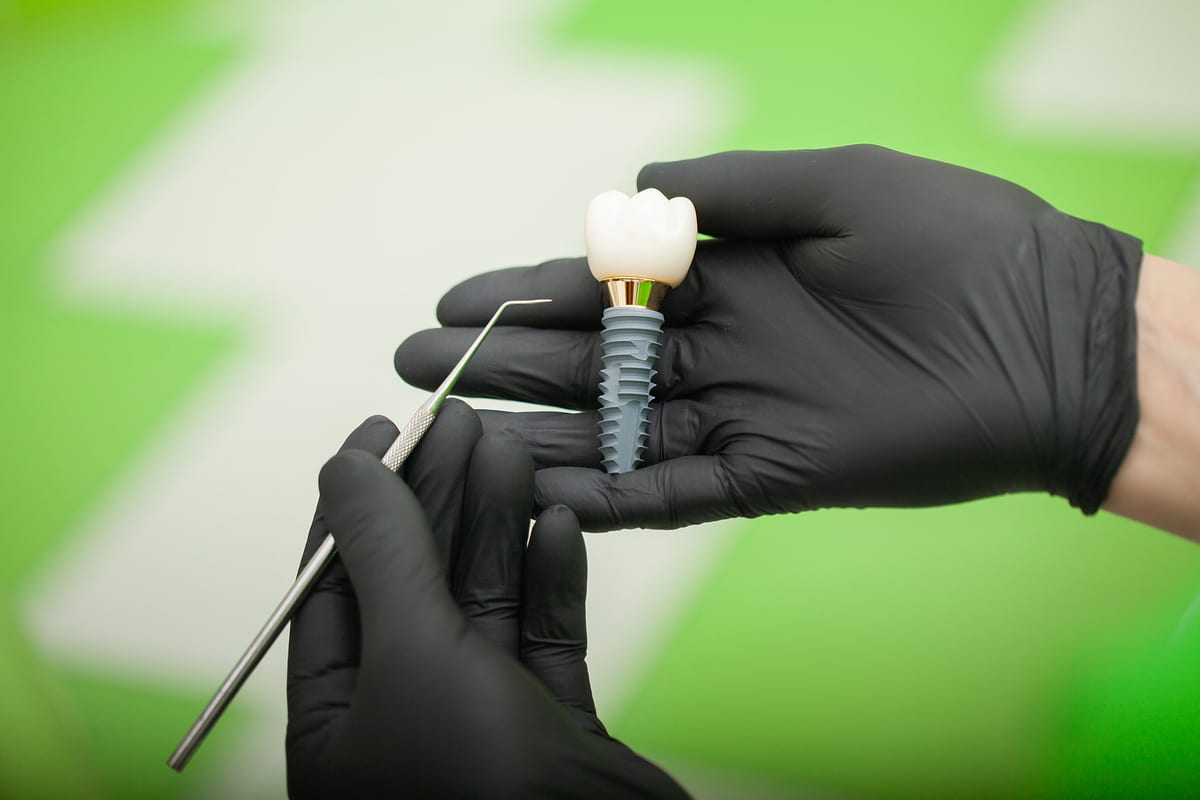
Your Jaw is Shrinking: Five Signs You’ve Waited Too Long for Implants
Most people don’t realize their jaw is shrinking. It happens silently, gradually, and without pain — until the damage becomes serious. If you’ve lost a tooth and haven’t replaced it yet, your body has already started reabsorbing the bone beneath it. For Palm Desert patients wondering whether it’s too late for dental implants, the honest answer is: the sooner you act, the better your outcome. Here are five signs you’ve waited too long for implants — and what you can still do about it.
Sign One: Your Face Looks Different Than It Used To
Jawbone loss changes the structure of your face. Without tooth roots stimulating the bone, the jaw slowly shrinks inward and downward. This causes the lower face to look sunken, aged, or collapsed around the mouth.
Many patients notice their cheeks appear hollow. Others say their lips seem to fold inward more than before. These aren’t just cosmetic concerns — they’re direct signs of bone deterioration happening beneath the surface.
If your face has changed noticeably since losing a tooth, bone loss is likely already underway. The longer you wait, the more bone disappears — and the more complex your implant treatment becomes.
Sign Two: Your Remaining Teeth Are Shifting or Loosening
Teeth don’t stay put on their own. They rely on neighboring teeth and surrounding bone to stay in position. When you lose a tooth, the gap creates instability throughout your entire bite.
Adjacent teeth begin to drift toward the empty space. Opposing teeth may over-erupt, moving up or down to fill the gap. This shifting throws off your bite alignment and increases your risk of further tooth loss.
Loose teeth are an even more urgent warning sign. Looseness often indicates significant bone loss has already occurred. At Periodontics of the Desert, our team assesses bone levels and tooth stability to determine the best path forward.
- Teeth leaning toward a gap
- Upper teeth dropping lower than normal
- Noticeable spaces developing between teeth
- Teeth that feel wobbly or unstable
Sign Three: Chewing Has Become Painful or Difficult
Healthy teeth distribute bite force evenly across your jaw. Missing teeth disrupt that balance completely. You may find yourself chewing only on one side, avoiding certain foods, or experiencing jaw discomfort after meals.
This is your body compensating for structural failure. Over time, this uneven chewing pattern strains your jaw joints and wears down healthy teeth faster. It can also contribute to headaches and facial muscle soreness.
Difficulty chewing isn’t something to push through indefinitely. It signals that your bite has already been significantly compromised. Implants restore proper chewing function and protect your remaining teeth from excessive wear.
Sign Four: You’ve Had Multiple Tooth Extractions
Losing one tooth is serious. Losing multiple teeth accelerates bone loss dramatically. Each missing root removes a stimulus that the jawbone needs to maintain its density and volume.
Patients with several missing teeth often experience rapid facial collapse. The jawbone can shrink enough within months to complicate standard implant placement. In these cases, bone grafting becomes a necessary first step before implants can be placed.
Bone grafting rebuilds lost volume so that implants have a stable foundation. At Periodontics of the Desert, we specialize in both bone grafting and implant placement. We guide patients through every stage of rebuilding their smile — even when significant bone loss has already occurred.
- Bone grafting restores density lost after extractions
- Implants replace tooth roots to prevent further bone loss
- Implant-supported dentures offer a full-arch solution for multiple missing teeth
- Early treatment reduces the complexity and cost of future procedures
Sign Five: Your Dentures No Longer Fit Properly
Traditional dentures rest on top of the gum tissue. They don’t replace tooth roots, so they don’t stop bone loss. Over time, the jawbone continues to shrink beneath them — and dentures that once fit perfectly begin to slip, click, and cause sore spots.
Loose dentures are a major sign that your jaw has changed shape significantly. Refitting can offer temporary relief, but it doesn’t address the underlying bone loss. This cycle of refitting will continue indefinitely without a permanent solution.
Implant-supported dentures anchor directly into the jawbone. They stimulate bone just like natural tooth roots do. They also eliminate the movement and discomfort that comes with traditional removable dentures.
Why Bone Loss Doesn’t Wait — And Neither Should You
The jaw loses bone fastest in the first year after tooth loss. Studies suggest up to 25% of bone volume disappears within the first twelve months. After that, loss continues at a slower but steady rate for years.
This matters because implants require sufficient bone to anchor securely. The less bone you have, the more preparatory work — like bone grafting — you’ll need before implants can be placed. Acting sooner means simpler treatment and faster results.
Some patients feel anxious about dental procedures and have put off treatment for that reason. We completely understand that. At Periodontics of the Desert, we offer multiple sedation options to make your visit comfortable. Oral Sedation Palm Desert patients often find this approach deeply relaxing and ideal for longer procedures. For those who prefer a lighter option, Nitrous Oxide Palm Desert provides gentle, effective relief from dental anxiety.
What Happens During an Implant Consultation at Periodontics of the Desert
Your first step is a thorough evaluation. Our team uses advanced imaging to assess your current bone levels, gum health, and overall oral condition. We’ll tell you exactly where you stand and what your options are.
From there, we create a personalized treatment plan. For some patients, implants can be placed without any additional procedures. Others may need bone grafting or periodontal care first to create the ideal foundation.
We walk you through every step clearly. Our goal is for you to feel informed, confident, and in control of your treatment decisions. Palm Desert patients deserve care that is thorough, compassionate, and honest.
Frequently Asked Questions
Is it ever truly too late to get dental implants?
In most cases, it’s not too late — but waiting does increase the complexity of treatment. Significant bone loss may require bone grafting before implants can be placed. The sooner you seek an evaluation, the more straightforward your treatment plan is likely to be.
How quickly does the jawbone shrink after losing a tooth?
Bone loss begins almost immediately after a tooth is lost. Research shows that up to 25% of bone volume can be lost within the first year. The rate slows after that, but bone continues to decrease over time without a tooth root or implant to stimulate it.
Can bone grafting help if I’ve already lost a lot of bone?
Yes. Bone grafting is specifically designed to rebuild bone volume that has been lost. It creates a stable foundation for implants even in cases of significant bone loss. At Periodontics of the Desert, bone grafting and implant placement are services we specialize in together.
Will dental implants hurt?
Most patients are surprised by how manageable implant procedures are with proper sedation and anesthesia. We offer several comfort options, including oral sedation and nitrous oxide, to ensure your experience is as relaxed as possible. Post-procedure discomfort is typically mild and manageable.
How do I know if I’m a good candidate for implants right now?
The best way to find out is through a comprehensive consultation. Our team evaluates your bone density, gum health, and overall health to determine the ideal treatment approach for you. Many patients who believe they’ve waited too long are still excellent candidates for implants.
Your jaw health is directly connected to your overall quality of life. Don’t let bone loss progress further before taking action. Book Now to schedule your appointment with our team.