
44550 Village Ct Ste 102, Palm Desert, CA 92260

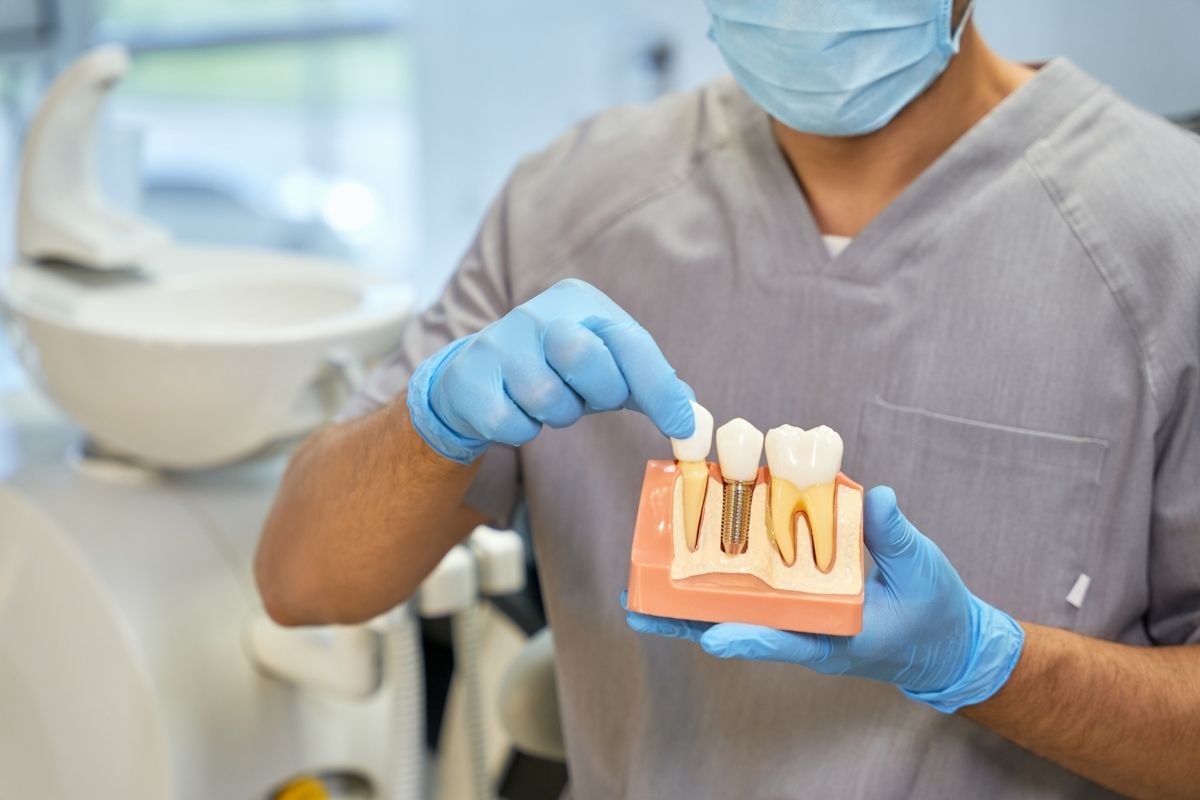
Common Dental Implant Problems and How to Avoid Them
When it comes to replacing missing teeth, dental implants have become the go-to solution for many patients. They offer a long-lasting, natural-looking result that can restore both the function and aesthetics of your smile. However, like any dental procedure, implants are not without their challenges. Understanding potential problems and how to avoid them can ensure treatment success. If you’re considering dental implants in Palm Desert, you’ve made a wise choice for restoring your smile and confidence.
At Periodontics of the Desert, our proficient team, led by Dr. Peter Warshawsky, Dr. Robert Lacrampe, and Dr. Neil Patel, specializes in creating customized implant solutions customized to your unique needs. We provide top-notch care and attention, so you can enjoy the benefits of implants with peace of mind. Contact our Palm Desert office today to schedule your consultation and secure your smile’s future.
Let’s discuss some common issues related to this restorative treatment and ways to avoid them.
The Proven Excellence of Dental Implants
Before diving into how to maintain them, it is important to recognize why implants are the preferred choice. According to recent clinical data published in the Journal of Functional Biomaterials (2026), dental implants boast a clinical success rate of 97.83%. This means that nearly 98 out of every 100 implants integrate perfectly, providing a lifetime of function.
Implants address tooth loss by mimicking the natural tooth root, thereby preserving the jawbone and preventing the “sunken” facial appearance often associated with traditional dentures. When performed by proficient hands, this procedure is a transformative investment in your long-term health.
Understanding Potential Hurdles and How to Clear Them
Even with such high success rates, being an informed patient is key to a lifetime of smiles. Understanding potential issues and how to prevent them ensures that your restorations remain secure while you enjoy local delicacies like the famous date shakes at Shields Date Garden or a perfectly seared steak at Sullivan’s Steakhouse.
Implant Failure Due to Infection
One of the most concerning potential problems with implants is infection. This can occur if bacteria invade the implant site after the procedure, leading to complications such as implant failure. While infections can happen, they are entirely preventable with proper care and hygiene.
- How to Avoid It: To reduce the risk of infection, it’s essential to follow all aftercare instructions provided by your dentist. This includes keeping the implant site clean and avoiding smoking, which can increase the risk of infection. Regular dental check-ups, including professional cleanings, will also help ensure the health of your implants.
Implant Rejection or Poor Integration with Bone
Sometimes, the implant may not properly integrate with the jawbone, leading to instability. This can be caused by several factors, including poor bone density, infection, or even excessive stress on the implant before the bone has fully integrated.
- How to Avoid It: Before your dental implant procedure, your dentist will evaluate the condition of your jawbone. If necessary, a bone graft can be performed to improve bone density. After the implant is placed, avoid putting excessive pressure on the new tooth by following dietary recommendations and avoiding hard foods until your implant is fully integrated.
Nerve Damage
Although rare, nerve damage can occur during the placement of a dental implant. This can lead to numbness, tingling, or pain in the surrounding areas, including the gums, lips, or chin.
- How to Avoid It: At our Palm Desert practice, we use advanced imaging techniques such as 3D X-rays to ensure precise placement of your implants. By carefully planning the procedure, the risk of nerve damage is minimized. Choosing an experienced dentist is crucial to ensure the implant is placed safely and accurately.
Implant Movement or Loosening
Over time, dental implants can sometimes become loose, especially if they were not placed securely or if the surrounding bone has not integrated properly. This may result in discomfort or difficulty chewing.
- How to Avoid It: Ensure that you work with a highly trusted dental team that understands the intricacies of implant placement. Follow up with regular check-ups to monitor the stability of your implants. In addition, avoid excessive pressure on your implants by not biting into hard objects, like ice or unpopped popcorn kernels, which can strain your implants.
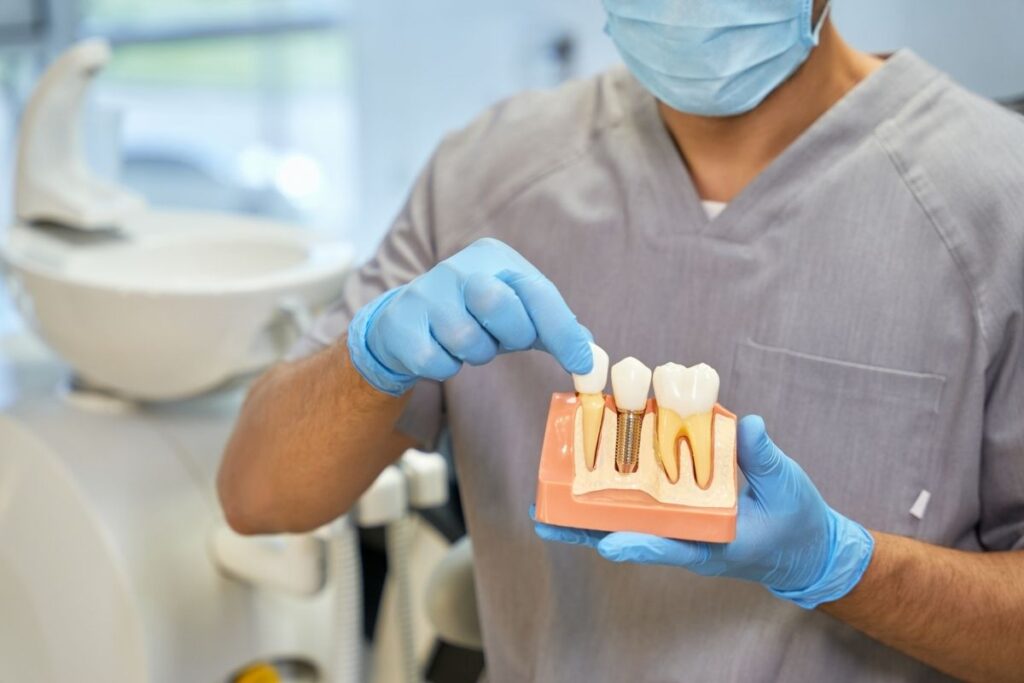
Gum Recession Around the Implant
Gum recession can occur around dental implants, leading to exposure of the metal post or the implant becoming more visible. This can affect both the appearance and the longevity of the implant.
How to Avoid It: Practicing good oral hygiene, such as brushing and flossing around your implants, is essential for maintaining healthy gums. Our dentists will also guide you on the best techniques to keep the gum tissue around your implants healthy. Additionally, scheduling regular dental visits will help monitor your gum health and prevent any issues.
Sinus Problems (For Upper Jaw Implants)
For patients needing implants in the upper jaw, one common issue is sinus complications. If the implant protrudes into the sinus cavity, it can cause discomfort or infection, leading to sinus problems.
How to Avoid It: If you’re considering dental implants in Palm Desert for the upper jaw, your dentist will conduct a thorough evaluation of the sinus cavity and ensure that the implants are placed at the correct angle and depth. In some cases, a sinus lift may be performed to provide more space for the implant.
Implant Damage from Teeth Grinding (Bruxism)
Teeth grinding, or bruxism, is a common issue for many people, especially during sleep. This excessive force can wear down dental implants over time and potentially cause damage or loosening.
- How to Avoid It: If you suffer from bruxism, talk to your dentist about wearing a custom-made nightguard. This simple device can protect your implants and natural teeth from the damaging effects of grinding. Your dentist can also help manage bruxism through various treatments, such as stress management techniques or dental corrections.
Your Path to a Perfect Tooth Replacement Starts Here
Choosing to restore your smile is one of the best investments you can make for your long-term health and happiness. While being aware of potential hurdles is smart, the reality is that with the right team and a bit of daily care, implants offer a success rate and quality of life that no other tooth-replacement option can match. You deserve to enjoy every local delicacy and sunset view our beautiful desert has to offer without a second thought about your teeth.
Don’t let missing teeth or dental concerns hold you back from the lifestyle you love. Schedule your consultation to take the first step toward a permanent, beautiful smile. Your journey to better oral health begins with a single conversation.
FAQs
How long do dental implants last?
Dental implants can last 25 years or more with proper care and regular dental visits. Their longevity depends on how well they are maintained and the health of the surrounding bone.
Are dental implants painful to get?
Most patients experience minimal discomfort during and after the procedure, thanks to local anesthesia. Any pain can usually be managed with over-the-counter pain medication.
Can I eat normally with dental implants?
Once fully healed, dental implants function just like natural teeth. You can eat all your favorite foods, but it’s important to avoid biting into extremely hard foods during the initial healing phase.
How do I care for my dental implants?
To care for your dental implants, brush and floss daily, avoid smoking, and visit your dentist regularly for check-ups to ensure the health of your implants and surrounding gums.
What should I do if my dental implant feels loose?
If you notice any looseness, contact your dentist immediately. Early intervention can help resolve the issue before it becomes a more significant problem.
Are dental implants safe for everyone?
Most patients are suitable candidates for dental implants, but a thorough consultation is necessary to ensure you have adequate bone density and overall oral health for successful implantation.
How much do dental implants cost?
The cost of dental implants varies depending on the complexity of your case. Schedule a consultation with our team to get a personalised treatment plan and pricing.