
44550 Village Ct Ste 102, Palm Desert, CA 92260

7 Early Warning Signs That Make Oral Cancer Screenings Essential
Most people think about visiting the dentist when they have a toothache, bleeding gums, or a broken tooth. However, some of the most serious health concerns begin with subtle changes that are easy to ignore. A small sore that doesn’t heal, persistent hoarseness, or a patch inside your mouth may not seem urgent at first—but these symptoms deserve attention.
Your mouth often provides valuable clues about your overall health. Recognizing unusual changes early can make a significant difference in treatment outcomes and long-term wellness. That’s why routine dental and periodontal visits are about much more than keeping your teeth clean. They’re an opportunity to identify problems before they become more serious.
At your regular dental visit, Oral Cancer Screenings can help detect abnormal tissues before symptoms become severe. Early evaluation gives patients the best chance for successful treatment and greater peace of mind.
Why Early Detection Matters
Many people associate oral cancer with tobacco use, but anyone can develop the disease. Age, alcohol use, excessive sun exposure to the lips, HPV infection, genetics, and even certain lifestyle factors may increase the risk.
One of the biggest challenges is that early-stage oral cancer often develops without pain. Because the warning signs can appear harmless, people frequently delay seeking professional care until the condition has progressed.
Routine examinations allow dental professionals to identify suspicious changes that might otherwise go unnoticed.
Early Warning Signs You Should Never Ignore
Knowing what to watch for can help you take action sooner.
Persistent Mouth Sores
A sore that remains for more than two weeks should always be evaluated. Healthy tissue usually heals quickly, so lingering ulcers deserve professional attention.
White or Red Patches
Discolored patches inside the mouth, on the gums, tongue, cheeks, or roof of the mouth may indicate abnormal cell changes. While not every patch is cancerous, they should never be ignored.
Difficulty Swallowing
If swallowing becomes uncomfortable or you constantly feel like something is caught in your throat, it’s important to schedule an examination.
A Lump or Thickened Area
Unusual swelling, lumps, or thickened tissue anywhere inside the mouth or along the jawline can be an early warning sign.
Persistent Hoarseness
Changes in your voice that continue without improvement may indicate irritation or abnormal tissue affecting nearby structures.
Numbness or Unexplained Pain
Lingering numbness in the tongue, lips, or other areas of the mouth should never be dismissed. Likewise, ongoing mouth pain without an obvious cause requires evaluation.
Loose Teeth Without Gum Disease
Teeth that suddenly become loose despite good periodontal health can sometimes signal underlying issues involving surrounding tissues or bone.
Who Should Consider Regular Screenings?
Although screenings benefit everyone, some individuals have a higher risk.
You may benefit from regular evaluations if you:
- Use tobacco products in any form
- Drink alcohol frequently
- Have a history of HPV infection
- Spend significant time outdoors without lip protection
- Are over age fifty
- Have a family history of oral cancer
- Notice any persistent changes inside your mouth
Even patients without these risk factors should include screenings as part of routine preventive care.
What Happens During a Screening?
Many patients are surprised to learn how quick and comfortable the process is.
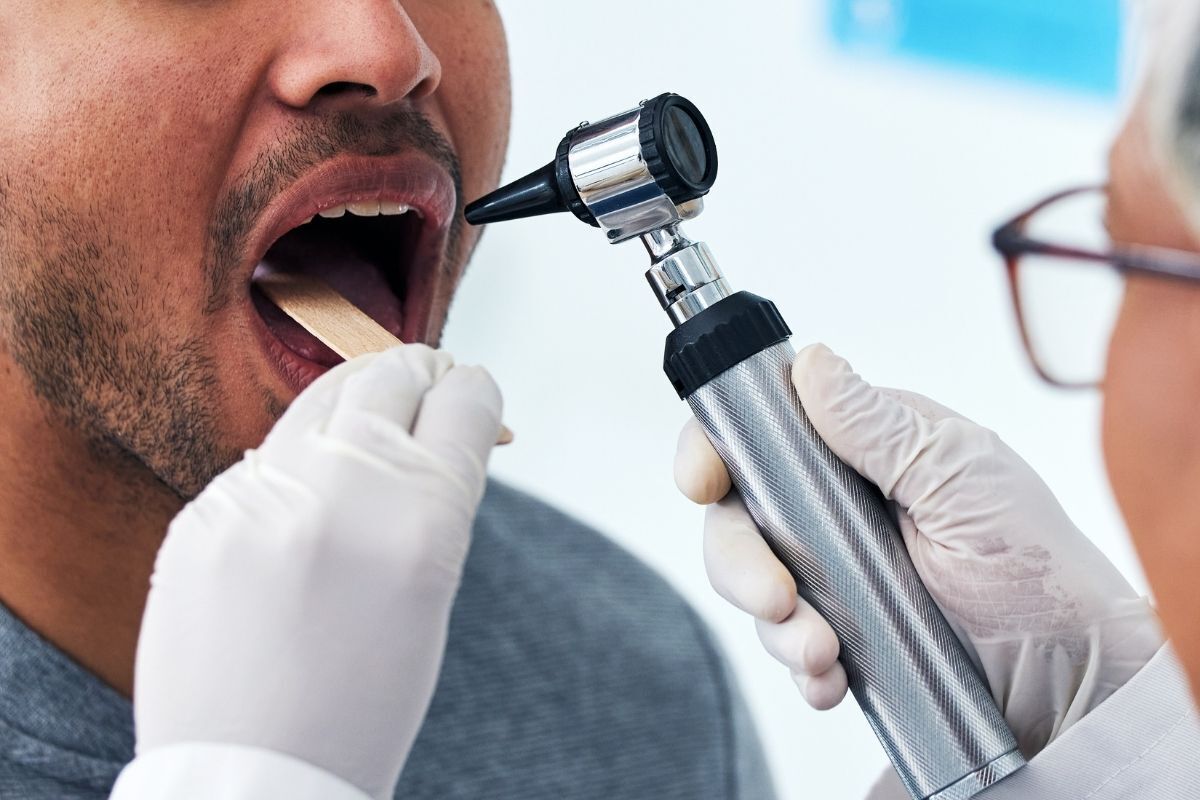
During the examination, your dental professional will:
- Inspect your lips, tongue, cheeks, gums, and palate
- Look for unusual sores or discoloration
- Examine the floor of your mouth
- Feel for enlarged lymph nodes
- Check for lumps, thickened tissue, or abnormal growths
- Recommend additional evaluation if necessary
The entire process typically takes only a few minutes and can easily be included during a routine visit.
Why Local Residents Should Stay Proactive
Living in the Coachella Valley means enjoying sunshine throughout much of the year. While the desert lifestyle offers many benefits, prolonged sun exposure may increase the risk of changes affecting the lips. Local residents who spend time golfing, hiking, cycling, gardening, or working outdoors should be especially mindful of protecting their lips and scheduling routine preventive examinations.
Regular periodontal and dental visits provide an excellent opportunity to monitor your oral health while addressing concerns before they become more complex.
Simple Habits That Help Lower Your Risk
Although no one can eliminate every risk factor, healthy habits can make a meaningful difference.
- Avoid tobacco products.
- Limit alcohol consumption.
- Wear lip balm with SPF when outdoors.
- Eat a balanced diet rich in fruits and vegetables.
- Perform monthly self-checks for unusual changes.
- Keep up with routine dental and periodontal visits.
- Schedule an evaluation if symptoms last longer than two weeks.
Frequently Asked Questions
Does the screening hurt?
No. The examination is completely non-invasive and typically causes little to no discomfort.
How often should I be screened?
Most adults should receive a screening during routine dental visits. Patients with higher risk factors may need more frequent evaluations.
Can younger adults develop oral cancer?
Yes. While risk increases with age, younger adults can also develop oral cancer, particularly when HPV or other risk factors are involved.
What happens if something unusual is found?
Finding an abnormal area does not automatically mean cancer. Your provider may recommend monitoring the area or performing additional diagnostic testing.
Can screenings detect problems before symptoms appear?
Yes. Many early tissue changes are discovered before patients notice discomfort, making preventive examinations extremely valuable.
Protect Your Future with Preventive Care
Small changes today can prevent bigger problems tomorrow. Paying attention to unusual symptoms and scheduling routine evaluations gives you the best opportunity for early detection and timely treatment. If you’ve noticed any concerning changes—or it’s simply time for your next preventive visit—the experienced team at Periodontics of the Desert is here to help. Schedule your appointment today and take an important step toward protecting your long-term oral and overall health.