
44550 Village Ct Ste 102, Palm Desert, CA 92260

How Long Does Sedation Dentistry Last?
Ever dreaded a trip to the dentist? You’re not alone. A 2020 study published in the Journal of Dentistry found that dental anxiety affects nearly 15% of the population. If you’re one of those people, sedation dentistry could be the answer! But how long does it actually last? Buckle up because we’re diving deep into the world of sedation dentistry recovery times.
There’s no one-size-fits-all answer when it comes to sedation dentistry. The duration of the effects depends on several factors, including the type of sedation used, the dosage administered, and your individual body’s metabolism. However, we can explore the different types of sedation dentistry and provide you with a general timeframe for recovery.
Types of Sedation Dentistry and Recovery Times
Sedation dentistry comes in various forms, each offering a different level of relaxation. Here’s a breakdown of the most common types and their recovery timelines:
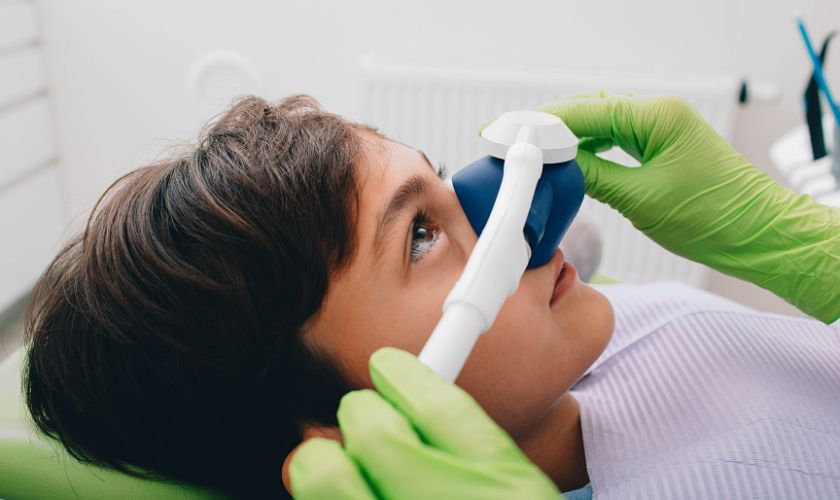
Nitrous Oxide (Laughing Gas): This is the mildest form of sedation. Nitrous oxide is inhaled through a mask and takes effect within minutes. You’ll likely feel relaxed and giggly, hence the nickname “laughing gas.” The effects wear off quickly, usually within 15-30 minutes after stopping inhalation. You should be able to drive yourself home after treatment with nitrous oxide.
Oral Conscious Sedation: This involves taking a pill before your appointment. The medication typically kicks in within 30-60 minutes and induces a state of deep relaxation. You may not remember much of the procedure itself. The effects of oral sedation can linger for several hours, so you’ll definitely need someone to drive you home and monitor you for a while afterwards. Recovery from oral sedation can take anywhere from 2-8 hours, depending on the specific drug used.
IV Sedation: This method involves administering medication directly into your vein through an intravenous (IV) line. IV sedation provides a more intense level of relaxation than oral sedation, and you may even drift off to sleep during the procedure. The effects wear off relatively quickly once the medication is stopped, typically within 20-30 minutes. However, you’ll likely still feel groggy and disoriented for several hours. Similar to oral sedation, you’ll need someone to take you home and monitor you after IV sedation. Full recovery can take up to 24 hours.
General Anesthesia vs. Sedation Dentistry
It’s important to distinguish between sedation dentistry and general anesthesia. General anesthesia is a much deeper state of unconsciousness used for major surgeries. While some dental procedures, like wisdom tooth extraction, might utilize general anesthesia, it’s not as common as sedation dentistry. Recovery from general anesthesia can take longer than sedation dentistry, sometimes requiring overnight monitoring in a hospital setting.
Factors Affecting Recovery Time
As mentioned earlier, several factors can influence how long sedation dentistry lasts in your system:
- The type and dosage of medication: Different medications have varying half-lives, which is the time it takes for your body to eliminate half of the drug.
- Your age and overall health: Younger, healthier individuals tend to metabolize medications faster than older adults or those with underlying health conditions.
- Your metabolism: How quickly your body processes medications plays a significant role in recovery time.
Tips for a Smooth Recovery After Sedation Dentistry
- Arrange for a ride home: Don’t attempt to drive yourself after sedation dentistry. Arrange for a friend or family member to take you home and monitor you for a while.
- Plan for rest: Schedule the rest of your day for relaxation. Avoid strenuous activity or operating machinery until you’re fully recovered.
- Stay hydrated: Drink plenty of fluids to help your body flush out the medication.
- Eat soft foods: Stick to soft foods that are easy to chew as your mouth may be numb or tender after the procedure.
- Follow your dentist’s instructions: Your sedation dentist in Palm Desert will provide specific post-operative instructions. Be sure to follow them carefully to ensure a smooth recovery.
Sedation Dentistry – A Relaxing Path to a Healthy Smile
Sedation dentistry can be a wonderful option for those who experience dental anxiety. By understanding the different types of sedation and their recovery times, you can make an informed decision about what’s best for you. Remember, it’s always best to discuss your individual needs and concerns with your dentist. They can help you choose the right type of sedation and ensure a comfortable and safe dental experience.