
44550 Village Ct Ste 102, Palm Desert, CA 92260

Freedom from Plaque and Tartar: How Comprehensive Dental Cleanings Improve Oral Health
As we celebrate Independence Day, it’s the perfect time to reflect on the freedom we enjoy. However, when it comes to oral health, there’s one adversary that can limit our independence—the buildup of plaque and tartar. Fortunately, comprehensive dental cleanings can liberate us from these oral enemies and significantly improve our oral health. In this article, we will explore the importance of comprehensive dental cleanings and how they contribute to a healthier, more independent smile.
Understanding Plaque and Tartar
Plaque is a sticky, colorless film that forms on our teeth throughout the day. It consists of bacteria, food particles, and saliva. If not effectively removed through regular brushing and flossing, plaque can harden and transform into tartar, also known as dental calculus. Unlike plaque, tartar cannot be removed by simple brushing and requires professional intervention.
The Consequences of Plaque and Tartar
Plaque and tartar can wreak havoc on our oral health if left unaddressed. They create an ideal environment for harmful bacteria to thrive, leading to a range of oral health issues, including:
- Tooth Decay: Plaque produces acid that attacks the tooth enamel, causing cavities and dental decay.
- Gum Disease: The bacteria in plaque and tartar can irritate the gums, leading to gum inflammation (gingivitis) and, if untreated, progressing to more severe periodontal disease. Gum disease can cause gum recession, bone loss, and even tooth loss.
- Bad Breath: The bacteria in plaque release foul-smelling gases, leading to persistent bad breath, also known as halitosis.
- Stained Teeth: Plaque and tartar buildup can contribute to the discoloration and staining of teeth, affecting the appearance of our smiles.
The Role of Comprehensive Dental Cleanings
Comprehensive dental cleanings, also known as dental prophylaxis, are professional procedures performed by dental hygienists or dentists. These cleanings go beyond regular brushing and flossing, targeting the removal of plaque and tartar to improve oral health and prevent dental problems.
Thorough Plaque and Tartar Removal
During a comprehensive dental cleaning, the dental professional uses specialized tools to carefully remove plaque and tartar from the surfaces of your teeth, including those hard-to-reach areas. This process, called scaling, effectively removes the buildup, reducing the risk of tooth decay and gum disease.
Polishing for a Gleaming Smile
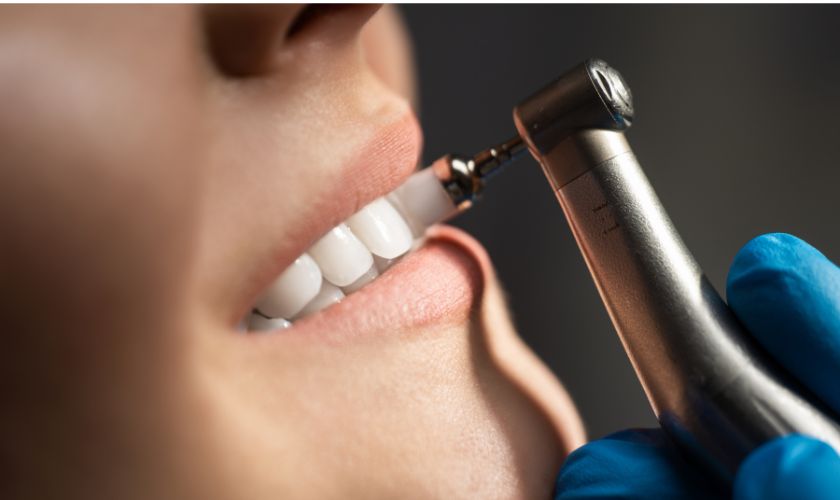
After the removal of plaque and tartar, the dental professional will polish your teeth using a gentle abrasive paste. This helps to remove surface stains and smooth the tooth surfaces, giving your smile a fresh, polished appearance.
Examination and Early Detection
Comprehensive dental cleanings provide an opportunity for a thorough examination of your oral health. The dental professional will examine your teeth, gums, and other oral tissues, looking for any signs of dental problems or abnormalities. Early detection is key to addressing issues before they worsen, allowing for more conservative and cost-effective treatments.
Education and Oral Health Tips
Dental cleanings also serve as a platform for education and oral health tips. Dental professionals can provide personalized advice on brushing techniques, flossing methods, and other oral care practices specific to your needs. They can address any concerns or questions you may have, empowering you with the knowledge and tools to maintain optimal oral health at home.
The Frequency of Comprehensive Dental Cleanings
The frequency of comprehensive dental cleanings may vary depending on your individual oral health needs. For most individuals, a dental cleaning every six months is recommended. However, some individuals with specific conditions, such as gum disease or a history of dental issues, may require more frequent cleanings to maintain their oral health.
Maintaining Independence: Home Oral Care
While comprehensive dental cleanings play a crucial role in improving oral health, maintaining independence in oral care requires consistent home oral hygiene practices. Brush your teeth at least twice a day using fluoride toothpaste, floss daily, and rinse with an antibacterial mouthwash. These habits, along with regular dental cleanings, form the foundation for a healthy smile.
Comprehensive dental cleanings are essential for maintaining optimal oral health and achieving freedom from the consequences of plaque and tartar buildup. By undergoing regular cleanings, you can prevent tooth decay, gum disease, bad breath, and stained teeth, ensuring a healthy, confident smile. Remember, independence in oral health begins with a commitment to consistent home care and regular visits to your dental professional. Celebrate Independence Day with the freedom of a clean and healthy smile, and prioritize comprehensive dental cleanings as a vital part of your oral health regimen.