
44550 Village Ct Ste 102, Palm Desert, CA 92260

How Long Do Mini Dental Implants Last? What Patients Should Know
Missing teeth can make everyday things feel harder than they should. Loose dentures, difficulty chewing, or worrying about your teeth shifting can affect how comfortably you eat, speak, and interact with others. For many patients, mini dental implants offer a less invasive way to add stability and support where it is needed.
But there is one question patients often have before moving forward: how long do mini dental implants last? The answer is not exactly the same for everyone. Their longevity depends on your oral health, bone support, daily habits, the restoration they support, and how well you maintain them over time.
What Are Mini Dental Implants?
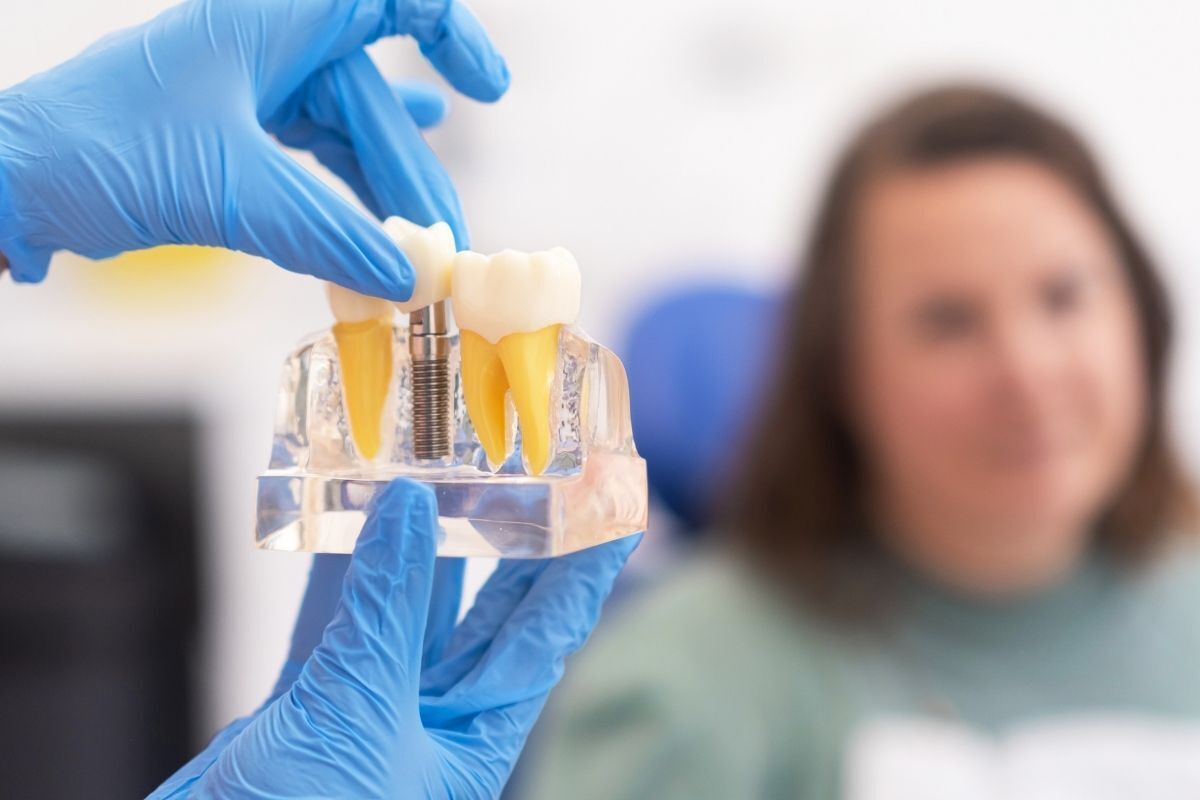
Mini dental implants are smaller-diameter versions of traditional dental implants. They are commonly used to stabilize dentures and can also support certain dental restorations. Because of their smaller size, they may be an option for patients who have limited available bone or who may benefit from a less invasive implant approach.
At Periodontics of the Desert, mini dental implants are used to provide firm support for dentures and other restorations. A periodontist can evaluate your bone structure, gum health, bite, and overall dental needs before determining whether this treatment is appropriate for you.
So, How Long Can They Last?
There is no guaranteed expiration date for a mini dental implant. Research shows that mini implants can have strong survival rates, particularly when used to retain lower dentures, but long-term results can vary depending on the patient and treatment situation. A recent systematic review found encouraging survival outcomes for mini implants supporting overdentures, while also noting that results differ based on factors such as implant location, the number of implants used, and the type of restoration.
That means your periodontist should focus less on promising a specific lifespan and more on creating the right conditions for long-term stability.
What Can Affect Their Longevity?
Several factors can influence how well mini dental implants perform over the years.
Healthy gums and bone:
The tissues surrounding an implant need to remain healthy. Gum inflammation and bone loss can compromise the support around an implant.
Daily oral hygiene:
Even though an implant cannot develop a traditional cavity, the tissues around it still need careful cleaning. Brushing, cleaning around the restoration, and keeping up with professional appointments are important.
Your bite and chewing forces:
Excessive pressure from clenching, grinding, or an improperly balanced restoration may place additional stress on implants.
Overall health and lifestyle:
Certain health conditions and habits can affect healing and implant stability. Your periodontist will consider your individual health history when planning treatment.
Professional placement and follow-up:
The position of the implant, available bone, restoration design, and ongoing monitoring all contribute to treatment success.
Can Mini Dental Implants Be a Long-Term Solution?
For the right patient, they can be. Periodontics of the Desert explains that mini dental implants are commonly used to secure dentures and can also support other restorations. They are designed to provide stable support while helping patients regain everyday function.
However, “long-term” does not mean that every part of the treatment will remain unchanged forever. The implant itself and the denture, crown, or other restoration attached to it are different components. Restorations can experience normal wear and may eventually require adjustment, repair, or replacement.
Your periodontist can help you understand what to expect based on your specific treatment.
How to Help Your Mini Implants Last Longer
Want to get the most from your investment? Start with the basics.
- Keep the implant area clean every day.
- Follow the cleaning instructions provided by your dental team.
- Attend regular dental and periodontal checkups.
- Have your denture or restoration checked when it feels loose or uncomfortable.
- Avoid using your teeth to open packages or bite excessively hard objects.
- Tell your dental provider if you grind or clench your teeth.
- Contact your dental office if you notice bleeding, swelling, tenderness, looseness, or changes around an implant.
- Address gum disease early rather than allowing inflammation to progress.
Patients throughout Palm Desert and the surrounding Coachella Valley can benefit from having ongoing implant care close to home. Whether you live in Palm Desert, Rancho Mirage, Indian Wells, La Quinta, or nearby communities, regular professional monitoring can make it easier to protect your investment.
What If You Are Searching for Mini Dental Implants Riverside Patients Can Trust?
Choosing an implant provider is about more than finding the closest office. You want a team that understands periodontal health, bone support, implant placement, and the long-term condition of the tissues surrounding your restoration.
If you are comparing options for mini dental implants riverside patients may consider traveling to a periodontal specialist for a more comprehensive evaluation. A consultation can help determine whether mini implants, conventional implants, or another treatment option better fits your needs.
Likewise, searching for an implant dentist near me is only the first step. Look for a qualified provider who can evaluate your complete oral health and explain both the benefits and limitations of your treatment options.
When Should You Talk to a Periodontist?
Consider scheduling an evaluation if your dentures move while eating or speaking, you have difficulty chewing comfortably, you have missing teeth, or you have been told that traditional implants may be difficult because of limited bone.
A consultation does not mean you have to commit to treatment. It gives you an opportunity to understand your options, ask questions, and learn what may work best for your oral health.
Frequently Asked Questions
Are mini dental implants permanent?
Mini dental implants are designed as a long-term tooth replacement or denture-support option, but their longevity varies between patients. Proper placement, healthy supporting tissues, and consistent maintenance can all contribute to successful results.
Are mini dental implants easier to maintain?
The implants themselves do not eliminate the need for daily oral care. Cleaning around the implant and restoration is important, along with professional examinations and periodontal maintenance.
Can mini dental implants support dentures?
Yes. One of their common applications is stabilizing removable dentures. The implant attachments can help keep a denture more securely positioned during everyday activities.
What happens if a mini dental implant becomes loose?
A loose implant should not be ignored. Contact your dental provider so the area can be examined. Your periodontist can determine whether there is inflammation, bone loss, mechanical stress, or another underlying concern.
Are mini dental implants right for everyone?
Not necessarily. Your bone structure, gum health, bite, existing restorations, and overall dental needs all matter. A periodontal evaluation is the best way to determine whether mini dental implants are an appropriate option for you.
A Stronger Foundation Starts With the Right Evaluation
Mini dental implants can offer meaningful stability for patients dealing with missing teeth or loose dentures, but their success is not simply about the size of the implant. Healthy gums, adequate support, thoughtful treatment planning, good home care, and regular professional monitoring all play an important role.
If you are ready to explore whether mini dental implants could make eating and everyday life more comfortable, Periodontics of the Desert is here to help. Schedule a consultation with our periodontal team to discuss your needs, understand your options, and take the next step toward a more stable and confident result.