
44550 Village Ct Ste 102, Palm Desert, CA 92260

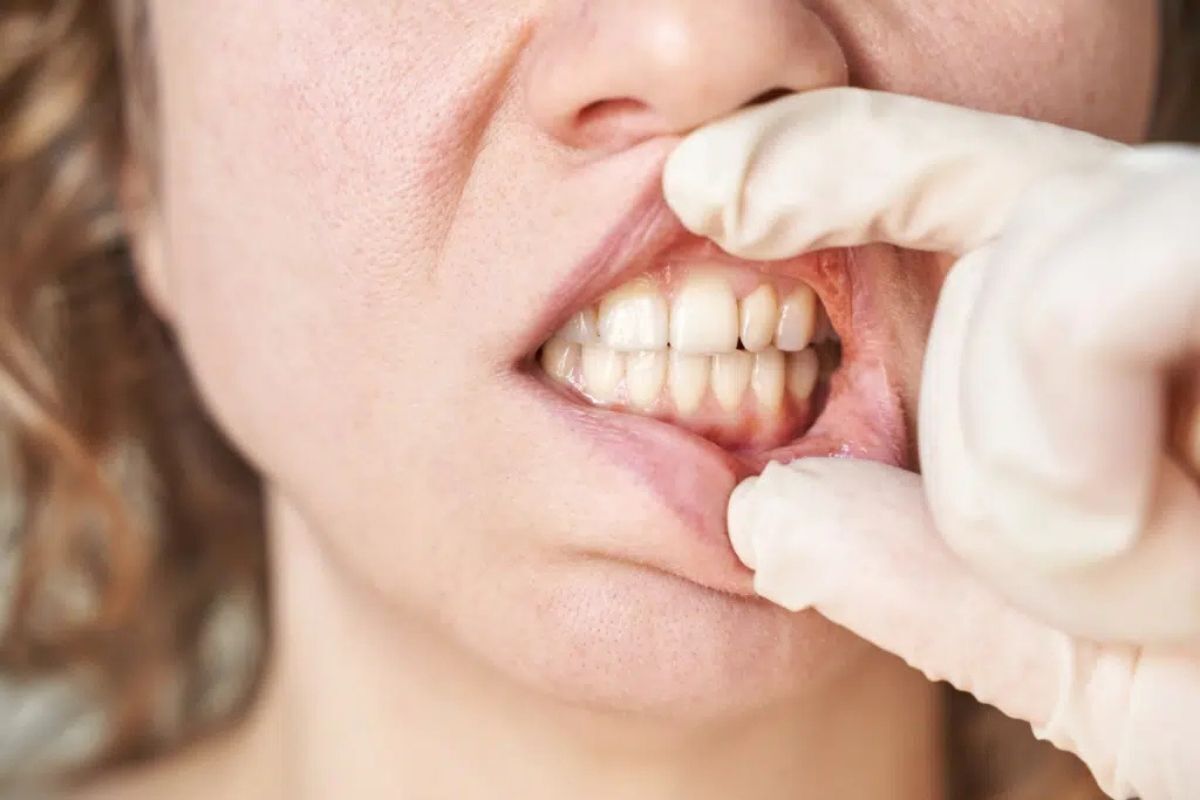
How Gum Surgery Can Help Save Teeth Affected by Advanced Gum Disease
It can start with something as simple as bleeding gums when you brush or persistent bad breath that never seems to go away. Many people assume these are minor issues, but advanced gum disease can quietly damage the tissues and bone that hold your teeth in place. By the time teeth begin to feel loose, the condition has often progressed much further than expected.
The good news is that tooth loss is not always inevitable. Modern periodontal care offers advanced treatment options designed to protect your natural teeth, reduce infection, and restore healthier gums. With timely care from a skilled periodontist, many patients can avoid extractions and regain confidence in their oral health.
When non-surgical treatments are no longer enough, Gum Surgery may be recommended to remove deep infection, encourage healing, and preserve the teeth that can still be saved.
Understanding Advanced Gum Disease
Gum disease develops when bacteria accumulate beneath the gumline, causing inflammation and infection. If left untreated, the infection spreads deeper, damaging the gums, connective tissues, and jawbone that support your teeth.
Some of the most common signs include:
- Gums that bleed during brushing or flossing
- Swollen, tender, or red gums
- Persistent bad breath
- Gum recession that makes teeth appear longer
- Loose or shifting teeth
- Pain while chewing
- Pus between the gums and teeth
These symptoms should never be ignored. Early evaluation can make a significant difference in protecting your natural teeth.
When Is Surgery the Right Choice?
Not every patient with gum disease needs surgery. Many cases improve with professional cleanings and scaling and root planing. However, when deep pockets remain around the teeth or bone loss becomes significant, surgical treatment may provide the best opportunity to stop the disease from progressing.
Your periodontist will perform a thorough examination, measure pocket depths, evaluate bone support, and review digital imaging before recommending the most appropriate treatment plan.
How Surgical Treatment Helps Save Natural Teeth
The goal of treatment is not simply to treat infected gums. It is to create a healthier environment where your teeth can remain stable for years to come.
Benefits may include:
- Removing bacteria hidden deep below the gums
- Reducing periodontal pockets that trap plaque
- Slowing or stopping further bone loss
- Improving gum attachment around teeth
- Making daily brushing and flossing more effective
- Helping preserve natural teeth whenever possible
Protecting your own teeth is almost always the preferred solution whenever it can be achieved safely.
Types of Periodontal Procedures
Depending on your condition, your periodontist may recommend one or more procedures.
Pocket Reduction Surgery
This procedure gently lifts the gum tissue, allowing the infected areas to be cleaned thoroughly. The gums are then repositioned to reduce pocket depth, making future bacterial buildup less likely.
Regenerative Procedures
When bone has been damaged, regenerative techniques may encourage new bone and tissue growth using specialized materials that support healing.
Soft Tissue Grafting
If gum recession has exposed the tooth roots, grafting procedures can restore lost tissue, improve comfort, and protect vulnerable teeth.
Every treatment plan is customized because no two patients experience periodontal disease in exactly the same way.
What to Expect During Recovery
Many patients are surprised that recovery is more manageable than they anticipated.
Following treatment, you may experience:
- Mild swelling
- Minor tenderness
- Temporary sensitivity
- Small dietary adjustments for several days
Your periodontist will provide personalized aftercare instructions that may include:
- Gentle oral hygiene techniques
- Prescription or recommended rinses
- Soft food choices during healing
- Follow-up visits to monitor recovery
Most patients gradually return to normal activities while healing continues over the following weeks.
Protecting Your Results
Treatment is only one part of long-term success. Healthy habits help prevent gum disease from returning.
Daily habits that support healthy gums
- Brush carefully twice each day.
- Clean between your teeth every day.
- Avoid tobacco products.
- Eat a balanced diet that supports oral health.
- Keep regular periodontal maintenance appointments.
- Address changes like bleeding or swelling as soon as they appear.
Consistent professional care is especially important for patients who have experienced advanced periodontal disease.
Caring for Desert Smiles
Living in the Coachella Valley brings unique challenges for oral health. Desert communities such as Palm Desert, Palm Springs, Indio, La Quinta, Rancho Mirage, Cathedral City, and nearby areas experience extremely dry conditions for much of the year. Dry mouth caused by heat, dehydration, certain medications, or medical conditions can increase bacterial growth and make gum problems more difficult to manage.
Staying well hydrated, maintaining excellent home care, and scheduling routine periodontal visits can help residents protect their gums despite the area’s dry climate.
Why Early Treatment Matters
Waiting for pain before seeking treatment often allows gum disease to become much more advanced. Periodontal disease can progress quietly, sometimes causing significant bone loss before noticeable discomfort develops.
Seeking care early offers important advantages:
- Greater opportunity to save natural teeth
- Less extensive treatment in many cases
- Better long-term oral function
- Improved comfort and appearance
- Reduced risk of future complications
Healthy gums provide the foundation for a healthy smile throughout life.
Frequently Asked Questions
Does advanced gum disease always lead to tooth loss?
Not necessarily. With prompt diagnosis and appropriate periodontal treatment, many teeth affected by advanced gum disease can often be preserved.
Is the procedure painful?
Modern techniques and local anesthesia help keep patients comfortable during treatment. Mild soreness afterward is typically manageable with recommended medications.
How long does healing usually take?
Initial healing generally occurs within a couple of weeks, while complete tissue healing continues over the following months depending on the procedure.
Can gum disease return after treatment?
Yes. Without excellent oral hygiene and ongoing periodontal maintenance, bacteria can build up again. Regular follow-up visits play an important role in long-term success.
Who should see a periodontist?
Anyone experiencing persistent bleeding gums, gum recession, loose teeth, chronic bad breath, or signs of advanced periodontal disease should schedule a professional evaluation.
Protect Your Teeth Before It’s Too Late
Your natural teeth are worth protecting, even when gum disease has become advanced. With expert diagnosis, personalized treatment, and ongoing maintenance, it is often possible to restore healthier gums and preserve your smile for years to come.
If you’re noticing signs of advanced gum disease, don’t wait for the problem to worsen. Contact Periodontics of the Desert today to schedule your consultation and take the first step toward healthier gums and stronger teeth.