
44550 Village Ct Ste 102, Palm Desert, CA 92260

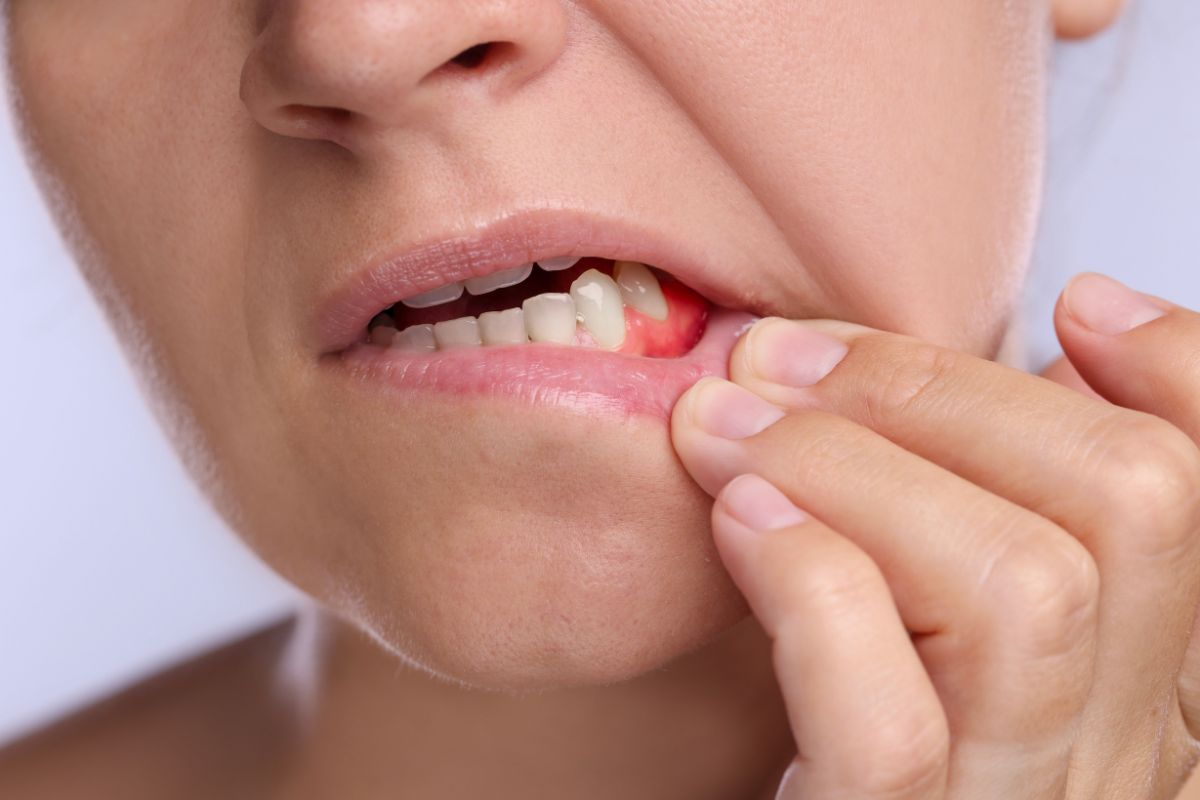
Sensitive Gums, Swelling, or Bleeding? Signs You Shouldn’t Ignore
A little blood when you brush can be easy to dismiss. Maybe you brushed too hard, skipped flossing for a few days, or simply thought your gums were having an off day. But when bleeding, tenderness, swelling, or sensitivity keeps coming back, your mouth may be trying to get your attention.
Healthy gums should generally feel comfortable and look firm and pink. Changes that persist deserve a closer look, especially when they begin affecting how you eat, brush, floss, or go about your day.
For people in Palm Desert and surrounding Coachella Valley communities, recognizing these warning signs early can make it easier to protect your natural teeth and maintain healthier gums.
What Could Your Gums Be Telling You?
Your gums are more than the tissue surrounding your teeth. They help protect the structures that support your teeth. When bacteria and plaque remain along or below the gumline, inflammation can develop and gradually affect the tissues supporting your teeth.
Gum disease can begin quietly, which is one reason early changes should not be ignored. Bleeding or swollen gums do not automatically mean you have advanced periodontal problems, but they are signs worth discussing with a qualified periodontal team.
Watch for These Changes
Take a moment to think about your own routine. Do any of these sound familiar?
- Gums that bleed while brushing or flossing: Occasional irritation can happen, but recurring bleeding deserves attention.
- Red, puffy, or tender gums: Inflammation may cause your gum tissue to look or feel different than usual.
- Persistent bad breath: An ongoing unpleasant odor or taste can sometimes be associated with bacteria around the gums.
- Gum recession: If your teeth suddenly appear longer or the roots feel more sensitive, receding gum tissue may be involved.
- Loose or shifting teeth: Changes in how your teeth fit together should not be overlooked.
- Sensitivity near the gumline: Increased sensitivity to cold or hot foods may occur when gum tissue recedes and exposes more of the tooth.
- Changes around dental work: Swelling, bleeding, or discomfort around crowns, bridges, or implants should be evaluated.
You don’t need to wait until discomfort becomes severe before seeking professional advice.
Why Early Attention Matters
One of the biggest challenges with periodontal problems is that they may progress without causing dramatic pain. That can make it tempting to put off an evaluation.
During a periodontal examination, your provider can assess the condition of your gums and supporting structures and determine whether inflammation is present. Depending on what is found, gum disease treatment may include professional periodontal cleaning such as scaling and root planing, ongoing maintenance, or other care based on your individual needs.
Periodontics of the Desert provides periodontal care in Palm Desert and serves patients from communities throughout the Coachella Valley, including Palm Springs, Cathedral City, La Quinta, Indian Wells, Indio, and surrounding areas.
What Can You Do at Home?
Your everyday habits still matter. While home care cannot replace a professional evaluation when symptoms persist, these habits can help support healthier gums:
- Brush gently with a soft-bristled toothbrush.
- Clean between your teeth every day.
- Pay attention to areas that repeatedly bleed or feel tender.
- Drink water regularly, particularly during Palm Desert’s hot, dry weather.
- Avoid tobacco products, which can negatively affect gum health and healing.
- Keep recommended periodontal maintenance appointments.
- Don’t stop cleaning an area simply because it bleeds; instead, discuss persistent bleeding with your dental professional.
If you have already been diagnosed with periodontal problems, follow the personalized instructions provided by your periodontal care team.
When Should You Schedule an Appointment?
Here’s a simple rule: don’t normalize a symptom just because you’ve gotten used to it.
If your gums repeatedly bleed, remain swollen, feel sore, recede, or seem different from how they normally look, schedule an evaluation. Prompt attention can help identify the cause and determine what care may be appropriate.
Periodontics of the Desert has provided periodontal and dental implant services in Palm Desert for more than two decades. The practice’s board-certified periodontists provide personalized periodontal care based on each patient’s condition and needs.
Frequently Asked Questions
Are bleeding gums always a sign of a serious problem?
Not necessarily. Bleeding can have several causes, including irritation from brushing or flossing. However, recurring bleeding should be evaluated rather than ignored because it can be associated with gum inflammation.
Can swollen gums go away on their own?
Mild irritation may improve when the underlying cause is addressed, but persistent or recurring swelling should be professionally evaluated. Treatment depends on what is causing the inflammation.
What does gum disease treatment involve?
Care varies according to the severity and location of the periodontal problem. Scaling and root planing, for example, removes plaque and calculus from below the gumline and may be recommended for certain patients with mild to moderate periodontal disease.
Can gum recession cause tooth sensitivity?
Yes. When gum tissue recedes, more of the tooth surface may become exposed, which can contribute to sensitivity. A periodontal evaluation can help determine why the recession is occurring and whether treatment is appropriate.
When should I see a periodontist for bleeding gums?
If bleeding is recurring, accompanied by swelling, recession, tenderness, bad breath, or changes in your teeth, scheduling an evaluation is a sensible next step. Early assessment can help identify the cause before the problem progresses.
Don’t Let Your Gums Become an Afterthought
Your gums can give you important clues about what’s happening beneath the surface. Bleeding, swelling, tenderness, recession, and persistent changes are worth paying attention to, even when they don’t cause significant pain.
If you’re in Palm Desert, Palm Springs, La Quinta, Indian Wells, Indio, or a nearby Coachella Valley community and you’ve noticed changes in your gums, contact Periodontics of the Desert to schedule an evaluation. Taking action today can help you understand what’s happening and make an informed plan for healthier gums.