
44550 Village Ct Ste 102, Palm Desert, CA 92260

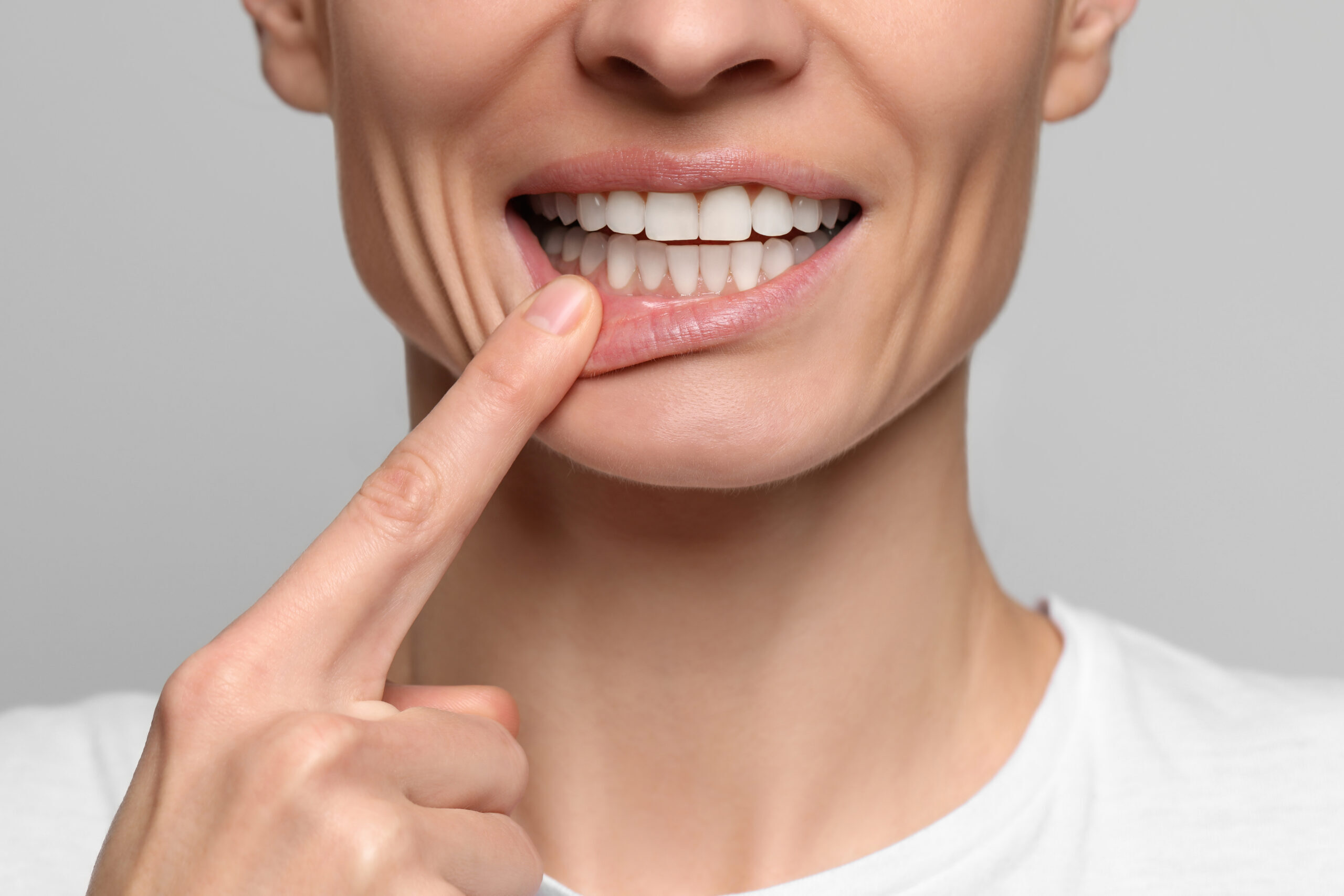
What to Expect After Your Periodontal Treatment: Recovery Week by Week
Knowing what to expect after your periodontal treatment recovery week by week in Palm Desert helps you heal faster and worry less. Whether you just completed scaling and root planing or a more involved procedure, recovery is a process. Understanding each stage puts you in control. This guide walks you through exactly what to anticipate — day by day and week by week.
The First 48 Hours After Periodontal Treatment in Palm Desert
The first two days are typically the most uncomfortable. Swelling, mild bleeding, and tenderness around your gums are completely normal. Your body is actively beginning the healing process during this time. Rest as much as possible and follow all post-care instructions from our team.
Cold compresses applied to the outside of your jaw can reduce swelling significantly. Use them in 15-minute intervals for the best results. Avoid touching the treated area with your tongue or fingers. Keeping the site undisturbed speeds up recovery.
Stick to cool or lukewarm soft foods during this period. Avoid anything hot, spicy, hard, or crunchy. Good options include yogurt, mashed potatoes, smoothies, and scrambled eggs. Staying hydrated is also essential for tissue repair.
- Apply ice packs in 15-minute intervals to reduce swelling
- Take prescribed or recommended over-the-counter pain relief as directed
- Eat soft, cool foods only during the first 48 hours
- Avoid alcohol, smoking, and carbonated drinks
- Rest and limit strenuous physical activity
Week One: Managing Discomfort and Protecting Your Gums
By day three, swelling usually begins to subside. Some patients experience heightened tooth sensitivity during the first week. This is normal after the removal of bacterial buildup from below the gumline. The sensitivity typically fades as healing progresses.
Continue eating soft foods throughout the first week. Introduce warmer foods gradually as your comfort allows. Avoid seeds, nuts, chips, and anything that could get lodged under healing tissue. Your gum tissue remains vulnerable during this stage.
Gentle brushing can usually resume after 24 to 48 hours. Use a soft-bristled toothbrush and be very careful around treated areas. Avoid flossing near the treated sites unless your provider says it is safe. Rinse with a warm saltwater solution two to three times daily to keep the area clean.
If you experience anxiety about treatment or follow-up visits, ask our team about Oral Sedation Palm Desert options. Many patients find that sedation makes their recovery visits much more comfortable. We offer multiple sedation levels to fit your needs. Your comfort is always a priority at Periodontics of the Desert.
Week Two Through Four: Gradual Healing and What to Watch For
Most patients notice significant improvement by week two. Gum tissue begins to reattach and tighten around the teeth. Sensitivity continues to decrease for the majority of patients. You may also notice that your gums look slightly different as inflammation reduces.
You can typically return to a more normal diet by week two. Reintroduce firmer foods slowly and listen to your body. If chewing causes pain, scale back to softer options for a few more days. Never push through significant discomfort without checking with our office.
- Sensitivity and swelling should be noticeably reduced by week two
- Gum tissue color transitions from red or purple back toward pink
- Your bite may feel slightly different as swelling decreases
- Continue using a soft-bristled toothbrush and gentle technique
- Attend your scheduled follow-up appointment as planned
Week three and four mark a turning point for most patients. The gum tissue continues to mature and strengthen. You should be eating a mostly normal diet by this point. Keep up with consistent oral hygiene to support the healing process.
When to Call Our Palm Desert Office
Some symptoms during recovery require prompt attention. Knowing when to call is just as important as knowing what is normal. Do not ignore warning signs that fall outside of typical recovery patterns. Our team is always available to answer your concerns.
Contact Periodontics of the Desert right away if you experience any of the following. Severe or worsening pain after the first few days is not expected. Heavy bleeding that does not stop with gentle pressure needs immediate evaluation. A fever, unusual discharge, or rapidly spreading swelling are also reasons to call.
Mild symptoms like sensitivity, slight oozing, and minor swelling are normal in the first week. Anything that feels extreme or gets worse instead of better warrants a call. Trust your instincts — our team would rather hear from you than have you wait too long. Early intervention prevents small concerns from becoming bigger problems.
Long-Term Care and Maintaining Your Results in Palm Desert
Periodontal treatment delivers lasting results when supported by consistent daily care. Brush twice daily using a soft-bristled toothbrush and fluoride toothpaste. Floss gently every day to prevent bacterial buildup between teeth and along the gumline. Consistent home care is the foundation of long-term gum health.
Regular professional cleanings are essential after periodontal treatment. Most patients return every three to four months for maintenance visits. These appointments allow us to monitor healing and catch any early signs of recurrence. Staying on schedule makes a significant difference in your long-term outcome.
If tooth loss is part of your history with gum disease, ask us about tooth replacement options. We offer Implant Supported Over Dentures Palm Desert as a durable solution for missing teeth. These restorations work beautifully with healthy, treated gum tissue. Our team can help you explore whether this option fits your needs.
Lifestyle habits also play a major role in recovery and long-term gum health. Quit smoking if you have not already — tobacco dramatically slows healing. Manage stress and eat a balanced diet rich in vitamins C and D. These steps support immune function and tissue repair throughout recovery.
Recovery from periodontal treatment is a journey, not a single event. Each week brings measurable progress as your gum tissue heals and strengthens. With the right aftercare and professional support, most patients achieve excellent results. Book Now to schedule your appointment with our team.
Frequently Asked Questions
How long does it take to fully recover from periodontal treatment?
Most patients experience significant improvement within two to four weeks after periodontal treatment. Full healing of the gum tissue may take several months, depending on the extent of the procedure. Following all post-care instructions and attending follow-up visits helps ensure the fastest and most complete recovery possible.
What foods should I avoid after periodontal treatment?
Avoid hard, crunchy, spicy, or very hot foods during the first week of recovery. Foods like chips, nuts, seeds, and crusty bread can irritate healing tissue. Stick to soft options like yogurt, mashed potatoes, smoothies, and soups. Reintroduce firmer foods gradually as your comfort improves over time.
Is it normal for my gums to bleed after treatment?
Mild bleeding or oozing in the first 24 to 48 hours is completely normal after periodontal treatment. Light spotting may occur when brushing gently during the first week as well. However, heavy or persistent bleeding that does not stop with gentle pressure is not expected and should be reported to our office right away.
Can I brush my teeth after scaling and root planing?
Yes, gentle brushing can typically resume within 24 to 48 hours after your procedure. Use a soft-bristled toothbrush and avoid scrubbing the treated areas aggressively. Your provider will give you specific instructions based on your treatment. Keeping the area clean is important for preventing infection and supporting healing.
How do I know if my gums are healing properly after treatment?
Signs of healthy healing include decreasing swelling, reduced sensitivity, and gum tissue returning to a pink color. You should feel progressively more comfortable with each passing day. If pain worsens, swelling spreads, or you develop a fever, contact our Palm Desert office promptly. Regular follow-up appointments allow us to monitor your healing and ensure everything is on track.