
44550 Village Ct Ste 102, Palm Desert, CA 92260

Why Periodontist Don’t Use Nitrous Oxide Anymore?
A Deep Dive into the Modern Dental Experience
Have you ever wondered why you don’t seem to hear about dentists using “laughing gas” (nitrous oxide) as much anymore? It’s a question that many patients have asked over the years. Let’s explore the reasons behind this shift and delve into the modern dental experience.
The Rise and Fall of Nitrous Oxide
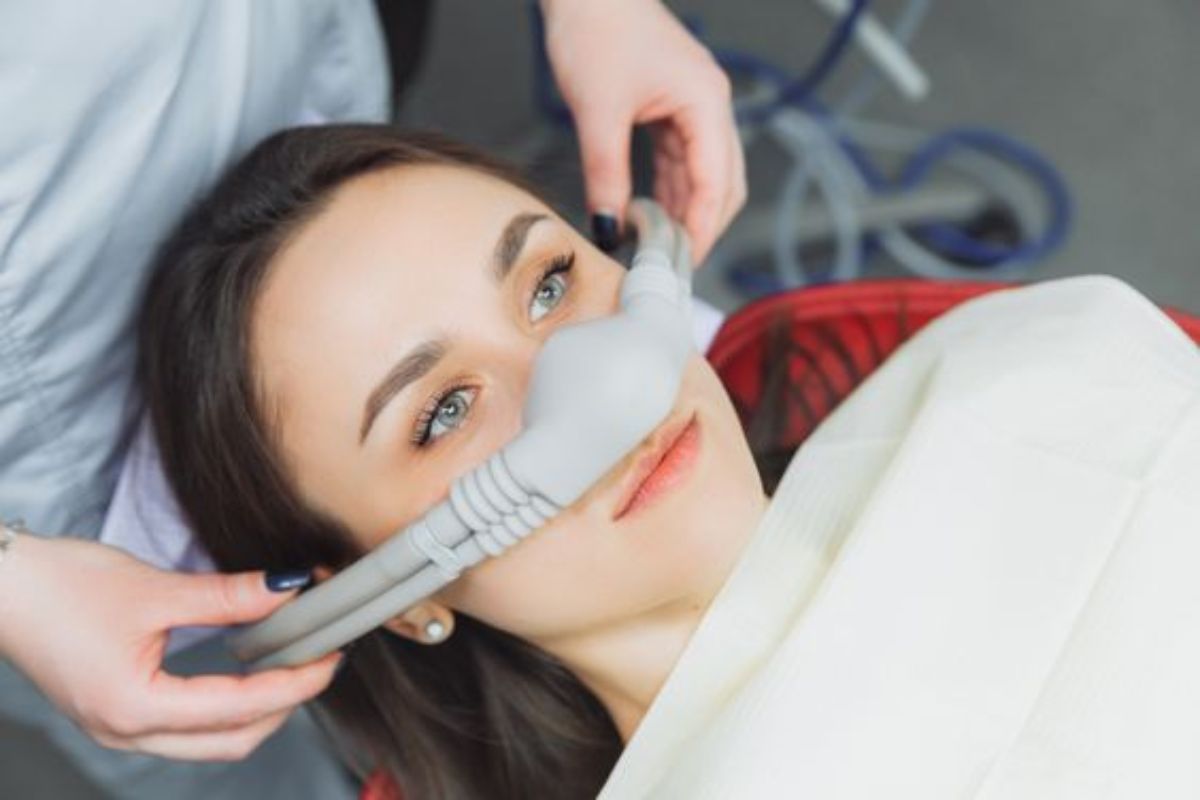
Nitrous oxide, often referred to as “laughing gas,” has been used in dentistry for over a century. It’s a colorless, odorless gas that can induce a state of relaxation and euphoria, making dental procedures more comfortable. However, in recent years, there has been a noticeable decline in its use.
So, what happened?
One primary reason is the advent of more advanced sedation techniques. Sedatives like oral medications or intravenous (IV) sedation can provide a deeper level of relaxation and even amnesia, making dental procedures virtually painless. These techniques are particularly effective for patients with dental anxiety or those undergoing extensive treatments.
Data-backed evidence supports this trend. According to a study published in the Journal of the American Dental Association (JADA) in 2023, the use of nitrous oxide has decreased by the United States over the past decade. This decline coincides with a rise in the popularity of oral and IV sedation.
Safety Concerns and Side Effects
While nitrous oxide is generally considered safe, there are potential side effects that may have contributed to its decreased use. These include:
- Nausea and vomiting: Some patients may experience nausea or vomiting after the procedure, especially if their stomach is full.
- Headache: Headaches are a common side effect of nitrous oxide.
- Dizziness: Patients may feel dizzy or lightheaded after the gas is turned off.
To minimize these risks, Chandler dentist often require patients to follow specific guidelines before and after the procedure, such as avoiding food or drink for a certain period. However, the potential for side effects may have prompted some dentists and patients to explore alternative sedation options.
The Modern Dental Experience
Today’s dental offices are equipped with state-of-the-art technology and techniques that make dental care more comfortable than ever before. In addition many dentists use sedation dentistry:
- Pain management techniques: Local anesthesia is highly effective in numbing the area being treated, reducing pain during procedures.
- Stress reduction techniques: Many dentists incorporate relaxation techniques, such as music or guided imagery, to help patients feel more at ease.
- Patient education: By explaining procedures and addressing concerns, dentists can help patients feel more informed and in control.
As a result, many patients report a more positive dental experience overall.
The Future of Dental Anesthesia
While nitrous oxide may not be as widely used as it once was, it still has a place in dental practice. Dentists may consider using it for specific procedures or patients who are not suitable for other forms of anesthesia. However, as technology advances and our understanding of anesthesia grows, we can expect to see a continued shift towards safer and more effective alternatives.
If you have dental anxiety or concerns about anesthesia, it’s important to discuss your options with your qualified dentist. They can help you choose the best approach for your individual needs.
Remember, the decision to use nitrous oxide or any other form of anesthesia should be made in consultation with a dental professional.