
44550 Village Ct Ste 102, Palm Desert, CA 92260

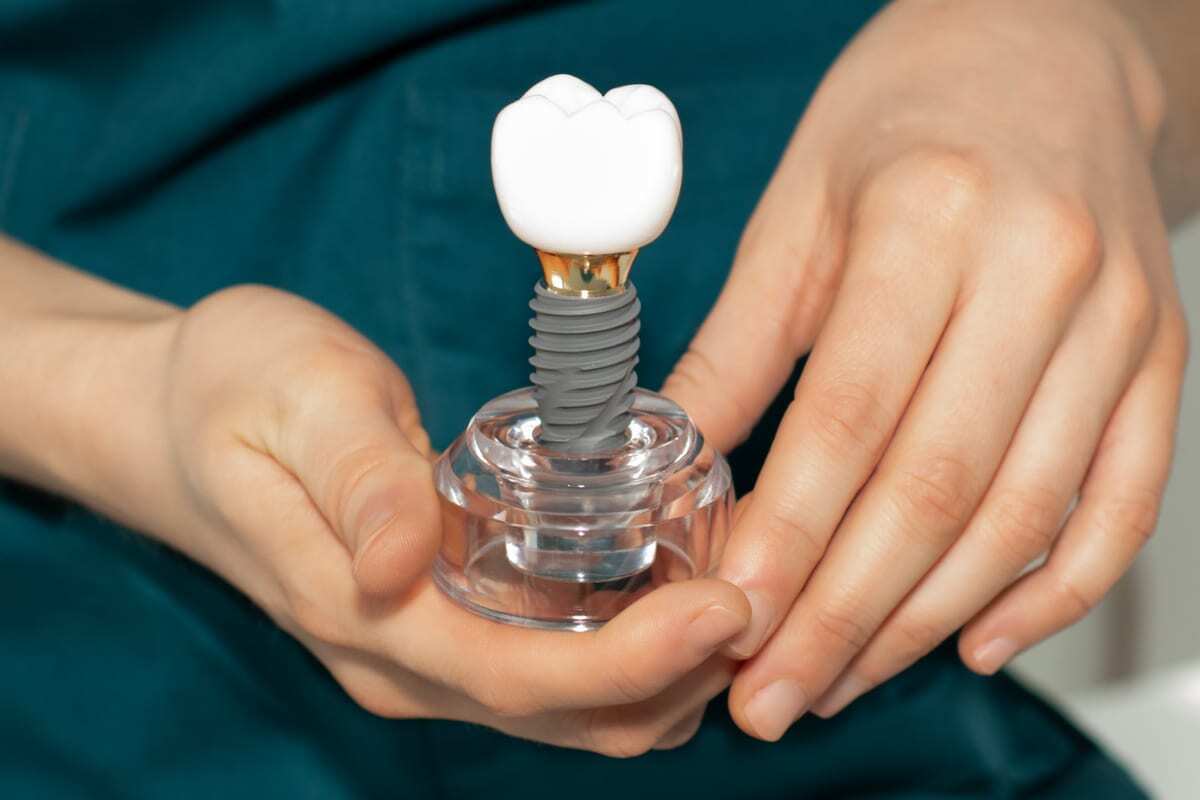
Your Complete Guide to Implant Recovery: Pain, Food, and Timeline
Getting dental implants is one of the best decisions you can make for your smile. But knowing what comes after surgery matters just as much as the procedure itself. Your complete guide to implant recovery covers pain, food, and timeline in Palm Desert so you feel confident every step of the way. At Periodontics of the Desert, we want every patient to heal smoothly and comfortably. Understanding the recovery process helps you avoid setbacks and protect your investment.
Understanding Your Implant Recovery Timeline in Palm Desert
Implant recovery happens in stages. Each stage has its own milestones and care requirements. Knowing what to expect helps reduce anxiety and keeps you on track.
Here is a general breakdown of the healing timeline:
- Days 1–3: Swelling and discomfort are at their peak. Rest as much as possible.
- Days 4–7: Swelling begins to subside. Soft foods are still essential.
- Weeks 2–4: Most patients return to normal daily activities. Tenderness may linger.
- Months 2–6: Osseointegration occurs. The implant fuses with your jawbone during this phase.
- 6+ months: Full healing is typically complete. Your final restoration is placed.
Osseointegration is the most critical part of the process. It is what makes implants so durable and lifelike. Rushing this phase by ignoring aftercare instructions can compromise the entire implant.
Managing Pain and Discomfort After Implant Surgery
Some discomfort after surgery is completely normal. It does not mean something went wrong. Your body is simply responding to the procedure and beginning to heal.
Expect mild to moderate soreness around the implant site. Swelling, bruising, and slight bleeding are also common in the first 48 hours. These symptoms typically peak around day two and then gradually improve.
Here are practical tips for managing post-surgical pain:
- Take prescribed or over-the-counter pain relievers as directed by your provider.
- Apply an ice pack to your cheek in 20-minute intervals during the first 24 hours.
- Sleep with your head slightly elevated to reduce swelling.
- Avoid strenuous physical activity for at least three to five days.
- Rinse gently with warm salt water after the first 24 hours to keep the site clean.
If pain worsens significantly after day three, contact our office. Increasing pain can sometimes signal infection or implant complications. Early intervention always leads to better outcomes.
For patients with dental anxiety or a low pain threshold, Oral Sedation Palm Desert is an option we offer to make your surgical experience more comfortable from the very start.
What to Eat During Implant Recovery
Your diet plays a huge role in healing. What you eat — and what you avoid — can directly affect how well your implant integrates. Following dietary guidelines is non-negotiable during the early recovery phase.
For the first week, stick exclusively to soft foods. Hard, crunchy, or chewy foods can disturb the surgical site. They may also cause pain or displace protective blood clots in the early days.
Great soft food options during recovery include:
- Smoothies and protein shakes (no straws — suction disrupts healing)
- Mashed potatoes, sweet potatoes, and soft-cooked vegetables
- Yogurt, applesauce, and pudding
- Scrambled eggs and soft fish like tilapia
- Oatmeal and cream of wheat
- Soups with soft ingredients (avoid very hot temperatures)
Around weeks two and three, you can slowly reintroduce softer solid foods. Think pasta, soft bread, and well-cooked grains. Always chew on the opposite side of the implant site when possible.
By week four, most patients can return to a more normal diet. However, avoid extremely hard or sticky foods throughout the entire osseointegration period. Your implant is still anchoring itself during those early months.
Long-Term Care for Dental Implants
Once you pass the initial recovery phase, caring for your implant is refreshingly simple. Implants do not decay the way natural teeth do. But the gum and bone tissue around them still need consistent attention.
Brush your implant twice daily using a soft-bristled toothbrush. Floss around the implant carefully every day. Some patients find water flossers especially helpful for keeping implant sites clean without irritation.
Regular professional cleanings are essential. Schedule hygiene visits at least twice a year. Your periodontist will monitor bone levels and gum health around the implant at each appointment.
Avoid habits that can damage implants over time. These include smoking, grinding your teeth, and chewing on ice or hard objects. If you grind at night, ask about a custom nightguard to protect your restoration.
For patients who needed multiple teeth replaced, Implant Supported Over Dentures Palm Desert offers a stable, long-term solution that also requires proper daily care and regular check-ins with your provider.
When to Call Your Provider During Recovery
Most implant recoveries go smoothly. But knowing the warning signs helps you act quickly if something feels off. Do not hesitate to reach out to our team with concerns.
Contact Periodontics of the Desert if you experience any of the following:
- Severe or worsening pain after the third day post-surgery
- Fever above 101°F that does not resolve
- Persistent swelling that increases rather than decreases after 48 hours
- Implant that feels loose or shifts position
- Unusual discharge or foul taste near the surgical site
These symptoms do not always mean a serious problem. But they deserve prompt professional evaluation. Catching complications early protects your implant and your overall oral health.
Conclusion
Implant recovery in Palm Desert does not have to feel overwhelming. With the right information and a trusted dental team by your side, most patients heal well and enjoy life-changing results. Follow your timeline, protect your diet, manage discomfort thoughtfully, and commit to long-term maintenance. Periodontics of the Desert is here to guide you every step of the way. Book Now to schedule your appointment with our team.
Frequently Asked Questions
How long does dental implant recovery take in Palm Desert?
Full implant recovery typically takes between three and six months. The bone must fuse completely to the implant post through a process called osseointegration. Most patients return to normal daily activities within one to two weeks. Your final crown or restoration is placed after this healing phase is confirmed.
Is dental implant surgery painful?
Most patients report that the procedure itself is more comfortable than expected. Local anesthesia is used during surgery to minimize discomfort. Post-operative soreness is normal and peaks around day two. Over-the-counter or prescribed pain relievers are usually sufficient to manage it effectively.
What foods should I avoid after getting a dental implant?
Avoid hard, crunchy, chewy, or sticky foods during the first several weeks of recovery. Foods like chips, nuts, raw carrots, caramel, and hard candy can disturb the healing site. Extremely hot foods and beverages should also be avoided in the early days. A soft food diet protects the implant while osseointegration occurs.
Can I drink coffee or alcohol after implant surgery?
It is best to avoid alcohol for at least 72 hours after surgery. Alcohol can interfere with healing and interact with any medications you may be taking. Hot coffee should be avoided in the first 24 to 48 hours to prevent disrupting the surgical site. Warm or cool beverages are safer options during the early recovery phase.
How do I keep my dental implant clean during recovery?
Gently rinse with warm salt water after the first 24 hours to keep the area clean. Brush carefully around the implant site without applying direct pressure to the wound. Your provider will give you specific instructions tailored to your case. Once fully healed, maintain regular brushing, flossing, and professional cleanings to protect your implant long term.